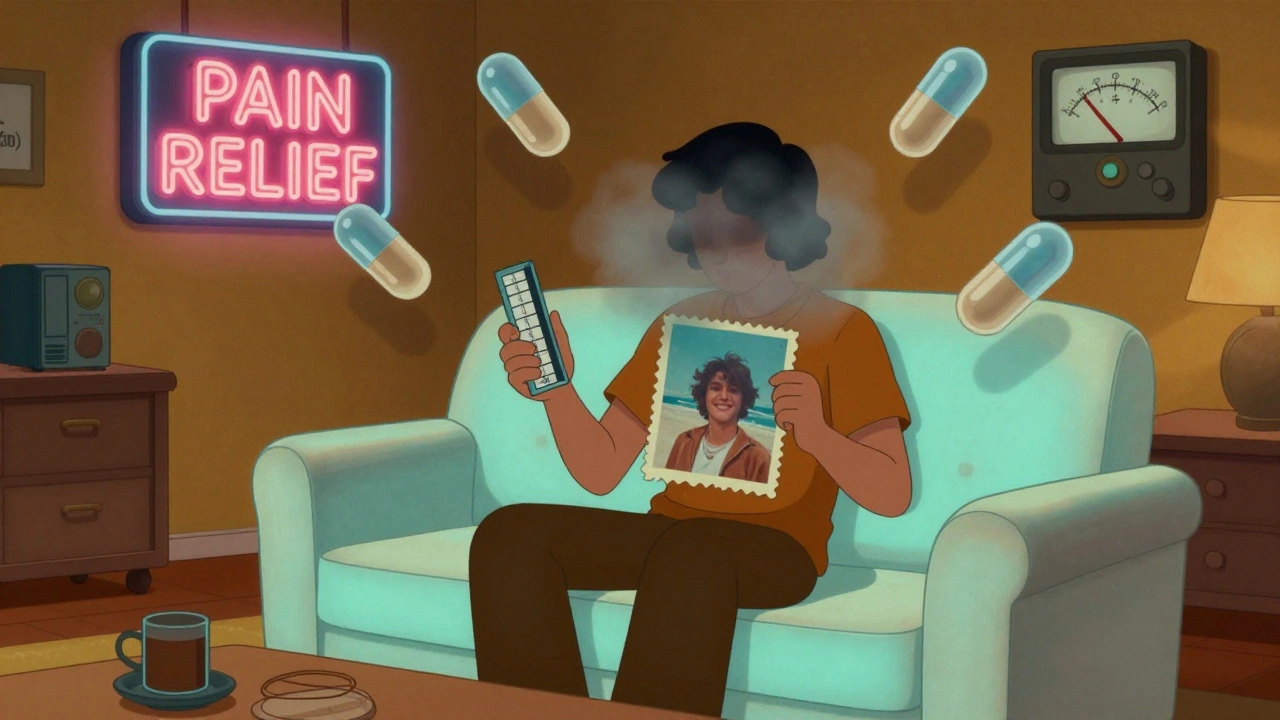
Opioid Side Effects: What You Need to Know Before Taking Them
When you take opioids, a class of powerful pain-relieving drugs that include oxycodone, hydrocodone, morphine, and fentanyl. Also known as narcotics, they work by binding to receptors in your brain and spinal cord to block pain signals. But they don’t just stop pain—they change how your body and mind function, often in ways you might not expect. These drugs are effective for severe pain, but they come with a long list of possible side effects, some mild, others deadly.
Common opioid side effects, include drowsiness, nausea, constipation, and dizziness. These aren’t rare—they happen to most people who take opioids regularly. Constipation is especially stubborn; it doesn’t go away with time and often needs extra treatment. Drowsiness can make driving or operating machinery dangerous. Even if you feel fine, your breathing might slow down without you noticing. That’s why opioid overdose, a condition where breathing becomes dangerously slow or stops entirely is so risky. It doesn’t always come with warning signs like vomiting or passing out. Sometimes, it just happens quietly, especially when opioids are mixed with alcohol, benzodiazepines, or sleep aids.
Long-term use brings more serious risks. Your body can build tolerance, meaning you need higher doses to get the same relief. That increases the chance of dependence, where you feel physically sick without the drug. opioid withdrawal, the set of symptoms that occur when you stop taking opioids after regular use can include muscle aches, insomnia, diarrhea, vomiting, and intense cravings. It’s not usually life-threatening, but it’s brutal enough that many people go back to using just to feel normal. And then there’s opioid addiction, a chronic brain disorder where you keep using despite harm. It’s not a moral failure—it’s a medical condition that rewires reward pathways in your brain.
You might think these problems only happen to people who misuse drugs, but that’s not true. Even someone taking opioids exactly as prescribed can develop dependence or experience dangerous side effects. That’s why safe disposal of unused pills matters—we’ve covered how to do it properly—and why you should never share your medication. If you’re on opioids, talk to your doctor about how long you really need them. Are there alternatives? Can you reduce the dose? What signs should you watch for in yourself or a loved one?
The posts below give you real, practical advice on what to expect, how to spot trouble early, and how to protect yourself and others. From understanding how naloxone reverses overdoses to learning why some people react worse than others, you’ll find clear, no-fluff guidance. Whether you’re a patient, a caregiver, or just trying to stay informed, this collection is built for real-life situations—not theory.