Nocebo Effect: How Negative Expectations Can Make You Feel Worse
When you expect a medicine to make you sick, it sometimes does—even if it’s just a sugar pill. This is the nocebo effect, the harmful counterpart to the placebo effect, where negative expectations trigger real physical symptoms. Also known as negative placebo effect, it’s not just in your head—it’s your body reacting to what you believe is coming.
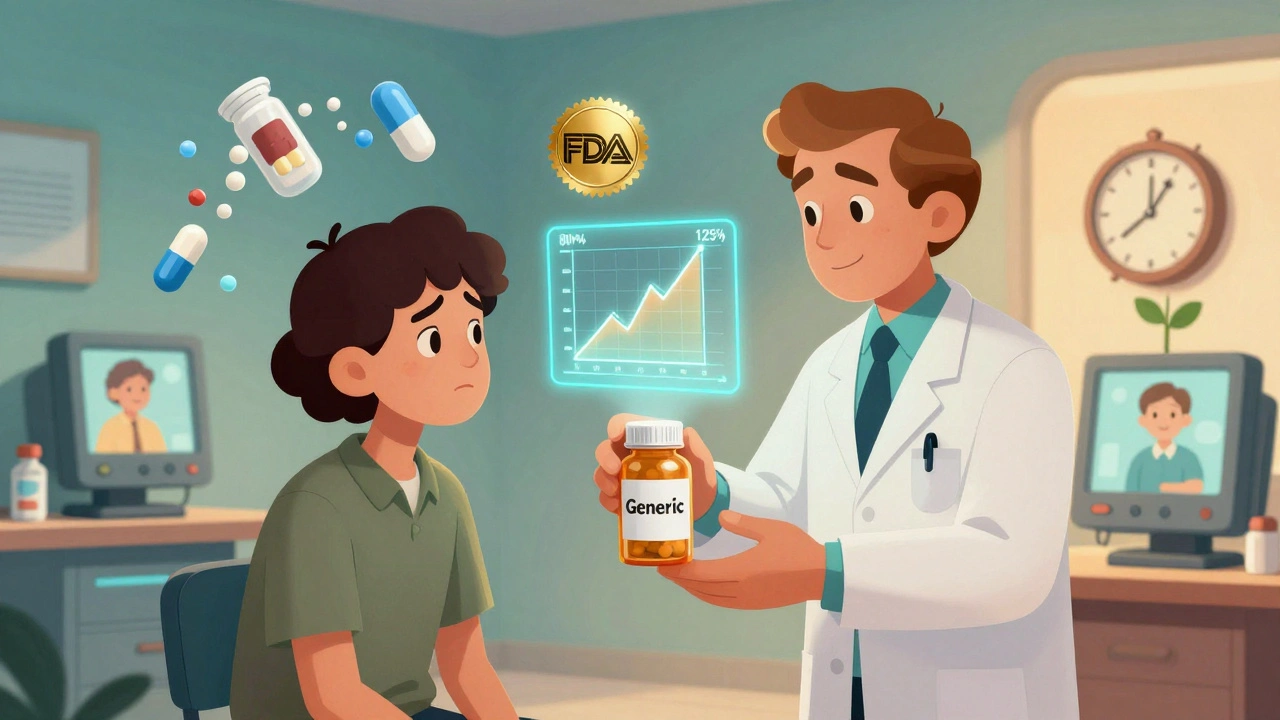
The nocebo effect shows up in real life more often than you think. People taking statins report muscle pain after reading the warning label, even when they’re on a placebo. Others feel dizzy or nauseous because they heard a friend had bad reactions to a drug. The placebo effect makes people feel better with fake treatments; the nocebo effect makes them feel worse with nothing at all. And it’s not just about pills. The way a doctor talks about side effects, the tone of a pharmacy warning, or even a scary YouTube video can plant the seed for symptoms that never would’ve happened otherwise.
This isn’t about being weak or imagining things. Brain scans show real changes in pain pathways, stress hormones, and even dopamine levels when people expect harm. The medication side effects you experience aren’t always caused by the drug—they’re often fueled by fear, misinformation, or past experiences. That’s why understanding the psychological symptoms tied to the nocebo effect matters. It’s not just about taking your meds—it’s about how you think about them. If you’ve ever stopped a medication because you thought it was making you feel awful, only to find out later it wasn’t the drug, you’ve seen the nocebo effect in action.
The posts below dig into how expectations shape health outcomes. You’ll find real stories and science-backed tips on how to avoid falling into the nocebo trap—whether you’re on antidepressants, painkillers, or supplements. Learn how to read labels without spiraling, how to talk to your doctor about fears, and why some side effects are more about belief than chemistry. These aren’t abstract ideas—they’re tools to help you take control of your health without letting fear run the show.