
Prior Authorization for Generics: Why Insurance Now Requires Approval for Cheap Medications
 Jan, 20 2026
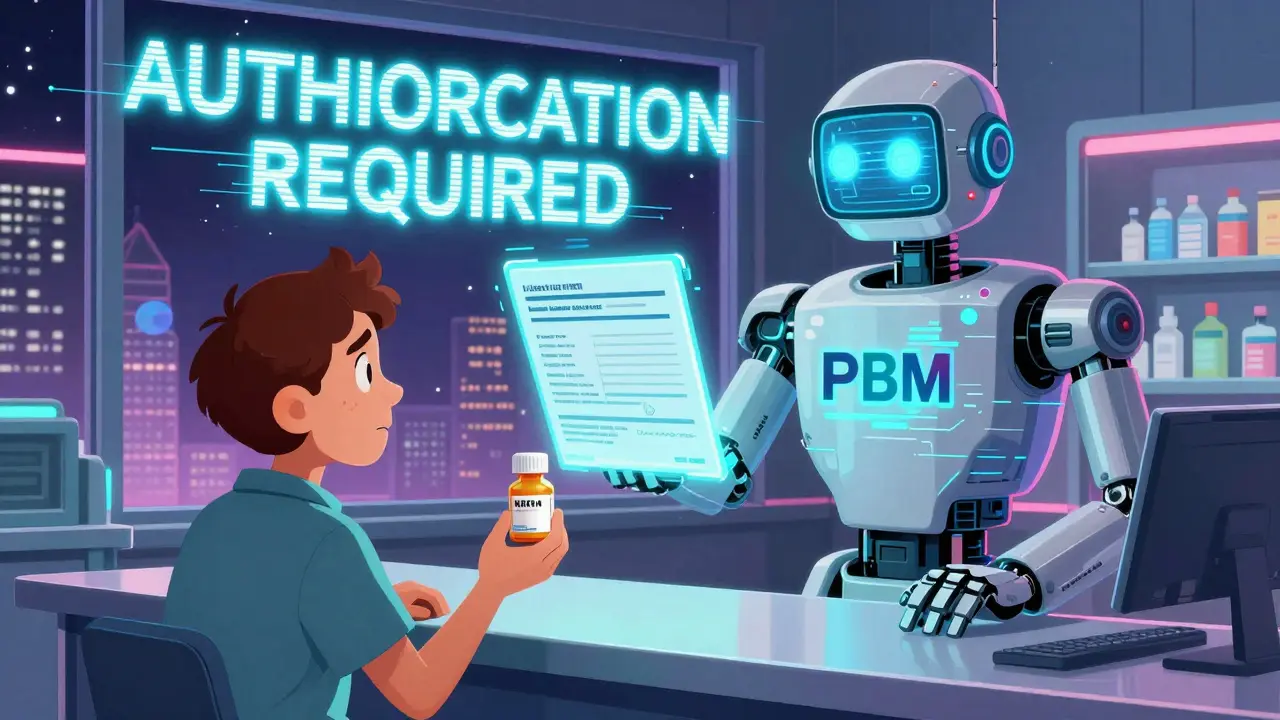
It’s 2026. You’ve been on metformin for years. Your doctor prescribes the generic version-cheap, safe, and covered. But when you walk to the pharmacy, the pharmacist says, "We can’t fill this until your insurance approves it." You’re confused. Why does a $4 generic drug need approval? This isn’t a $10,000 cancer drug. It’s a pill that’s been around for decades. Yet, more and more people are facing this exact situation. Prior authorization for generic medications is no longer rare. It’s becoming the norm.
What Is Prior Authorization for Generics?
Prior authorization is when your insurance company demands proof before they’ll pay for a medication. For brand-name drugs, this makes sense-they’re expensive. But for generics? It feels backwards. These are the same active ingredients as brand-name drugs, made by different companies, and cost 80-90% less. In 2023, generics made up 90% of all prescriptions filled in the U.S. Yet, in 2024, 15-20% of those generics required prior authorization-a jump from just 5% in 2018. This isn’t about saving money. It’s about control. Insurance companies and pharmacy benefit managers (PBMs) use prior authorization to steer patients toward certain drugs, even if those drugs aren’t the best fit. Sometimes, they want you to try a different generic first. Other times, they’re pushing you toward a brand-name drug that pays them a rebate. The result? Delays. Frustration. And sometimes, worse health.Why Are Generics Being Targeted?
You’d think insurers would cheer when doctors prescribe generics. They’re cheaper. They reduce overall drug spending. But the system doesn’t work that way. PBMs earn money through rebates and fees tied to which drugs get prescribed. Even if a generic is cheaper, if it’s not on the insurer’s preferred list, they’ll block it. For example, lisinopril, a generic blood pressure pill, is one of the most common prescriptions in the country. But in some plans, you still need prior authorization to get it. Why? Because the insurer’s formulary lists a different generic version-maybe one that pays them a bigger rebate. Or maybe they want you to try a brand-name drug first, even though the generic works just as well. Specialty generics face the highest hurdles. Oncology generics like methotrexate or azathioprine require prior authorization in 35% of cases. Cardiovascular generics? Around 12%. The difference? Higher cost, higher risk, higher profit margins for PBMs.How the Process Actually Works
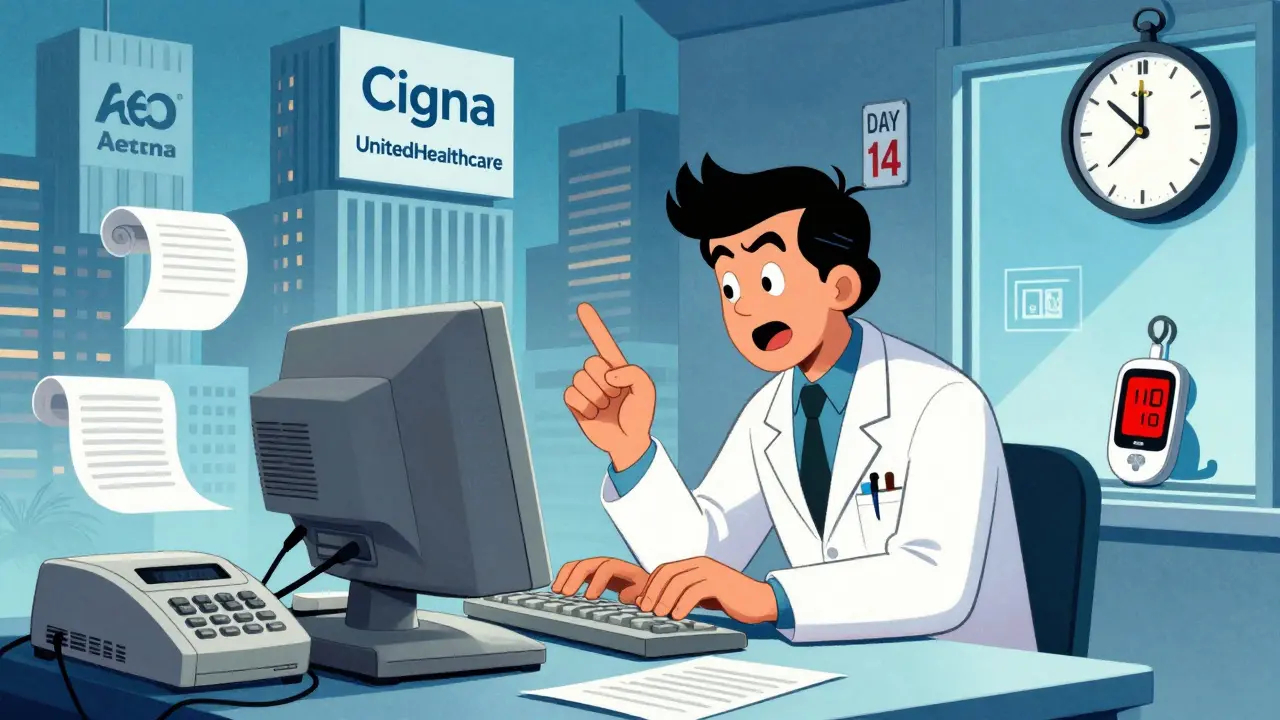
When your doctor writes a prescription for a generic that needs approval, they have to submit paperwork to your insurance. This can be done electronically, by fax, or over the phone. The insurance company-or their PBM-then reviews it. They might ask for:- Your diagnosis code (ICD-10)
- Lab results showing your condition
- Proof you tried other generics first (step therapy)
- A letter from your doctor explaining why this specific generic is necessary
Who’s Behind This?
It’s not just one company. UnitedHealthcare requires prior authorization for 22% of its generic medications. Aetna? 25%. Humana? 18%. Each insurer has its own rules. What’s approved in one plan might be blocked in another-even if the drug is the same. Pharmacy benefit managers (PBMs) are the real power behind this. They negotiate rebates with drugmakers and decide which drugs get covered. In 2023, PBMs collected $138.7 billion in rebates and fees. Prior authorization is one tool they use to control which drugs move through the system. Even if a generic is cheaper, if it doesn’t pay them enough, they’ll make it harder to get.What’s Being Done About It?
There’s growing pushback. In January 2025, California passed SB 1024, banning prior authorization for 47 essential generic drugs, including levothyroxine, atorvastatin, and metformin. Thirty-four states now restrict prior authorization for certain generic classes. At the federal level, the 2024 Improving Seniors’ Timely Access to Care Act requires Medicare Advantage plans to use electronic prior authorization by 2026 and respond to urgent requests within 72 hours. And on June 23, 2025, six major insurers-including Aetna, UnitedHealthcare, Cigna, and Humana-announced a joint reform. Starting January 2026, they’ll eliminate prior authorization for 12 common generic drug classes: ACE inhibitors, statins, metformin, and others. They’ll also standardize electronic forms and cut approval times. This isn’t just good policy-it’s economic sense. The American Gastroenterological Association found that prior authorization for generics increases total healthcare costs by 18% because delays lead to hospitalizations, ER visits, and worsening conditions.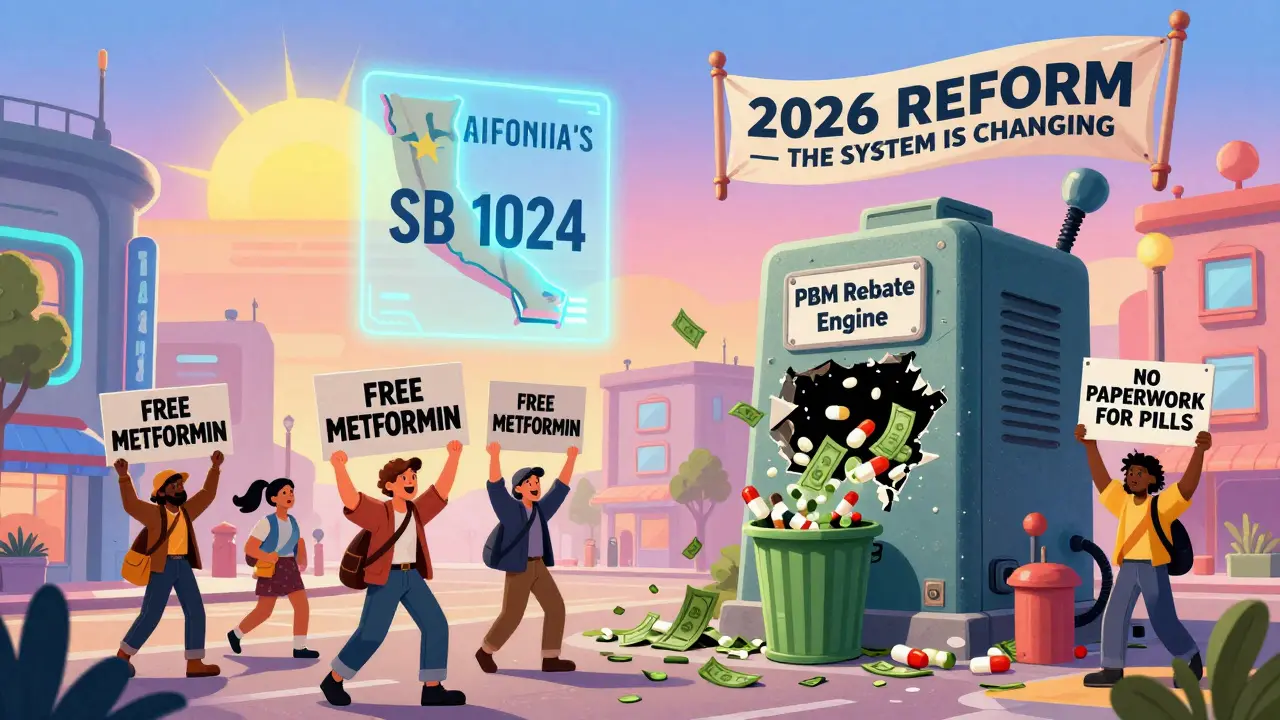
What You Can Do
If your generic medication is denied or requires prior authorization:- Ask your doctor to submit the request electronically. Electronic submissions are approved 32% faster than fax or phone.
- Request an urgent review if your condition is worsening.
- Keep copies of every communication-denials, approvals, phone logs.
- Appeal denials. Sixty-seven percent of generic prior authorization denials are overturned with better documentation.
- Check your plan’s formulary. Some insurers list which generics require prior auth. Know before you go.
The Bigger Picture
The goal of generics was simple: make medicine affordable. But now, the system that was supposed to help is making it harder. Prior authorization for generics isn’t about safety. It’s about profit. It’s about control. And it’s hurting real people. In Brighton, a woman I know had to wait three weeks for her generic metformin to be approved. She missed work. Her blood sugar spiked. She ended up in the ER. Her insurance paid for the ER visit-$3,200. The generic pill? $4. This isn’t sustainable. And it’s not just wrong-it’s expensive. The reforms coming in 2026 are a step forward. But until all insurers stop treating cheap, safe, proven medications like they’re risky specialty drugs, patients will keep paying the price.Why would insurance require approval for a cheap generic drug?
Even though generics cost far less than brand-name drugs, insurance companies and pharmacy benefit managers (PBMs) use prior authorization to control which drugs get prescribed. Sometimes, they want you to try a different generic version that pays them a higher rebate. Other times, they’re trying to steer you toward a brand-name drug that’s more profitable for them-even if the generic works just as well.
Which generic medications commonly require prior authorization?
Common generics now requiring prior authorization include metformin (for diabetes), lisinopril (for high blood pressure), levothyroxine (for thyroid issues), and statins like atorvastatin. Specialty generics-like methotrexate for autoimmune conditions or azathioprine for Crohn’s disease-are even more likely to require approval, with up to 35% of cases needing prior authorization.
How long does prior authorization for generics usually take?
Approval times vary by insurer. Most take 5 to 10 business days. For urgent cases, you can request an expedited review-some insurers promise a decision within 72 hours. But in practice, many patients wait longer, sometimes up to two weeks. Delays can lead to worsening health, especially for chronic conditions like diabetes or high blood pressure.
Can I appeal a denial for a generic medication?
Yes. About 67% of prior authorization denials for generics are overturned on appeal. You’ll need to work with your doctor to provide additional documentation-like lab results, diagnosis codes, or a letter explaining why the specific generic is necessary. Keep records of every call, email, and form you submit.
Are there any laws stopping this practice?
Yes. California’s SB 1024, effective January 2025, bans prior authorization for 47 essential generic drugs. Thirty-four states now restrict prior authorization for certain generic classes. At the federal level, the 2024 Improving Seniors’ Timely Access to Care Act requires Medicare Advantage plans to use electronic prior authorization and respond to urgent requests within 72 hours by 2026. Major insurers also agreed in June 2025 to eliminate prior authorization for 12 common generic drug classes starting January 2026.
What should I do if my doctor’s office won’t help with prior authorization?
Call your insurance company directly. Ask for a copy of their prior authorization requirements for your specific medication. Then, ask your doctor’s office to submit the request electronically-it’s faster than fax or phone. If they refuse, file a complaint with your state’s insurance commissioner. Many states have patient advocacy offices that can intervene.
Sangeeta Isaac
January 21, 2026 AT 14:16so like... why are we still letting insurance companies play god with $4 pills? i mean, my grandma takes metformin and she’s 82 and still walks 3 miles a day. they’re not even trying to hide that it’s about rebates, not safety. absolute madness.
shubham rathee
January 23, 2026 AT 10:15theyre just trying to control the flow of money its not about you its about the pmb they make more off the brand name even if its the same thing just different label its all a scam
MARILYN ONEILL
January 25, 2026 AT 09:22oh my god i just got denied for lisinopril last week and i’ve been on it since 2018. i mean who even thought this was a good idea? i swear if i had to fill out one more form i’d just start taking my blood pressure meds from the guy outside the gas station.
Kevin Narvaes
January 27, 2026 AT 09:12it’s not the system its the matrix. they want you sick so they can sell you more drugs. they’ve been doing this since the 90s. metformin? it was invented in france. the pharmaceuticals paid off the fda. the whole thing is a puppet show and we’re just dancing on strings
Jerry Rodrigues
January 28, 2026 AT 15:45the fact that a $4 pill needs paperwork just to exist says everything about how broken this is. i’m not mad, just tired. and honestly? i’m glad some states are finally pushing back. it’s about time.
Philip Williams
January 30, 2026 AT 04:10It is deeply concerning that a system designed to ensure cost-effective care has been co-opted by profit-driven intermediaries. The data is unequivocal: prior authorization for generics increases administrative burden, delays treatment, and ultimately elevates total healthcare expenditures. Physicians are spending nearly half their workweek on bureaucratic tasks instead of clinical care. This is not a policy failure-it is a moral failure. The reforms in California and the federal mandate are necessary first steps, but systemic change requires dismantling the rebate structure that incentivizes PBMs to obstruct access to the most affordable, evidence-based therapies. Patient outcomes must be prioritized over corporate margins.
Steve Hesketh
January 30, 2026 AT 14:13bro this is wild. in nigeria we just walk in and get the generic. no forms no calls no waiting. here in the usa you need a lawyer just to get your diabetes medicine. i know people who lost jobs because they missed work waiting for approvals. and then they end up in the hospital costing 100x more. this isn’t healthcare. this is a game where the house always wins and the sick pay the price. we gotta fix this. not just for us but for our moms our dads our kids. the system is broken but we can still fight it together
Alex Carletti Gouvea
February 1, 2026 AT 13:17if you want cheap medicine go to canada. we’re not going to let some foreign pharma company dictate how we run our healthcare system. the system works fine. people just need to stop complaining and take responsibility for their own health.