
PCOS and Weight: How Insulin Resistance Drives Weight Gain and What to Eat
 Dec, 1 2025
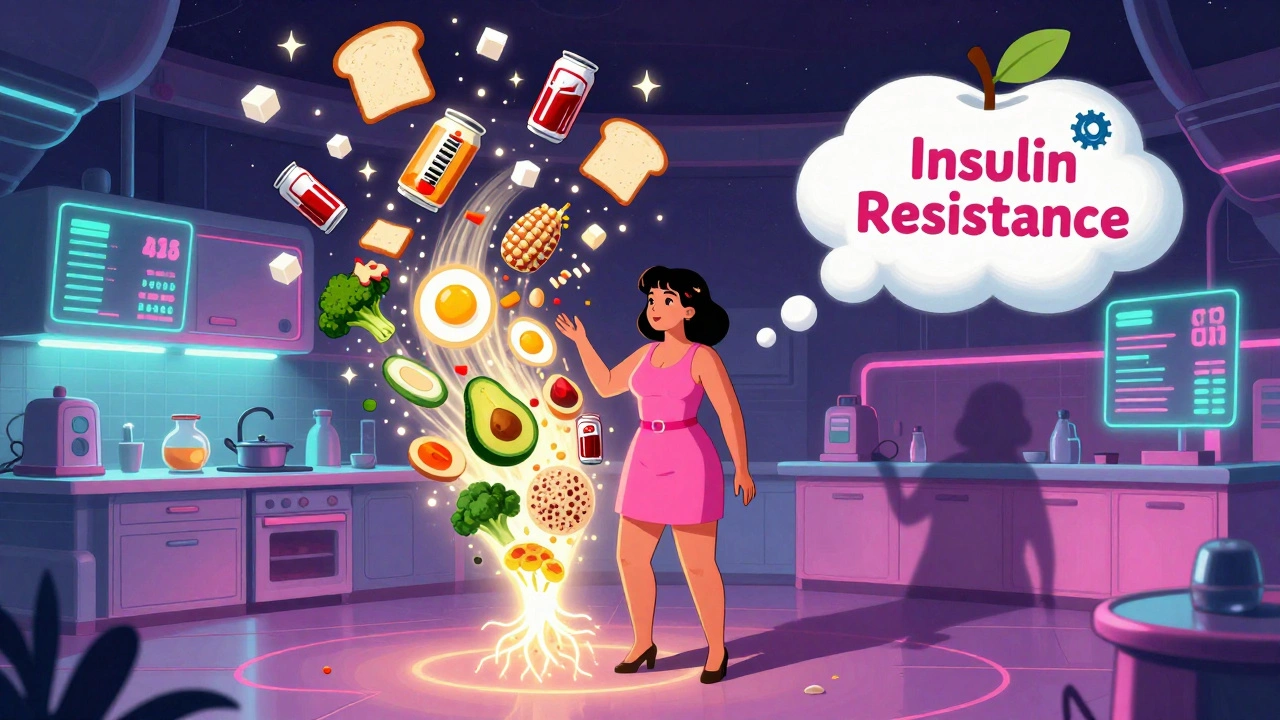
When you have PCOS, losing weight isn’t just about eating less or working out more. It’s not a lack of willpower. It’s biology. The real culprit behind stubborn belly fat, constant hunger, and failed diets is insulin resistance. This isn’t a side effect of PCOS-it’s one of its main drivers. And if you’re struggling to shed pounds despite doing everything right, this is why.
Why PCOS Makes Weight Loss So Hard
Most people think weight gain in PCOS is just about hormones like estrogen or progesterone. But the real story is insulin. In PCOS, your body’s cells stop responding properly to insulin-the hormone that tells your cells to take in sugar from your blood. So your pancreas pumps out more and more insulin to compensate. That extra insulin doesn’t just mess with your blood sugar. It directly tells your body to store fat, especially around your abdomen. That’s why women with PCOS often develop an “apple shape”-fat gathering around the waist instead of the hips and thighs. Abdominal fat isn’t just cosmetic. It’s metabolically active. It releases inflammatory chemicals that make insulin resistance worse, which then makes your ovaries produce even more testosterone. More testosterone means more cravings, more fat storage, and fewer periods. It’s a loop that keeps feeding itself. Studies show that 70% to 95% of women with PCOS who are overweight have insulin resistance. But it’s not just those who are overweight. Up to 75% of women with PCOS who are lean still have it. That means even if you don’t look “obese,” your body might be struggling with insulin the same way. And that’s why crash diets often fail. You’re not fighting laziness-you’re fighting a hormonal imbalance.How Insulin Resistance Fuels Cravings and Fat Storage
Ever had one of those days where you can’t stop thinking about bread, pasta, or candy-even after eating a full meal? That’s not weakness. That’s insulin. High insulin levels suppress leptin, the hormone that tells you you’re full. At the same time, they boost ghrelin, the hunger hormone. So your brain never gets the signal to stop eating. And when you do eat carbs, your body converts them into fat instead of burning them for energy. Insulin also blocks fat breakdown. Even if you’re in a calorie deficit, your body won’t tap into stored fat because insulin says, “Stay in storage mode.” That’s why some women with PCOS lose inches slowly-even when they’re eating well and exercising. Their bodies are stuck in fat-storage mode. And it’s not just food. High insulin raises testosterone. More testosterone means more visceral fat, more acne, more hair growth, and more irregular periods. It’s all connected. And the more weight you gain, the worse the insulin resistance gets. It’s a cycle that feels impossible to break-until you change how you eat.The Diet That Actually Works for PCOS
Forget low-fat, low-calorie diets. They don’t fix insulin resistance. What does? A diet that keeps your blood sugar steady and your insulin levels low. That means focusing on three things: fiber, protein, and healthy fats-while cutting back on refined carbs and sugar. Start by swapping out white bread, pasta, rice, and sugary snacks for whole grains like quinoa, oats, barley, and brown rice. These digest slowly, so they don’t spike your blood sugar. Add plenty of non-starchy vegetables-broccoli, spinach, kale, zucchini, peppers. They’re low in carbs but high in fiber and nutrients that help your body handle insulin better. Protein is your best friend. Eat it at every meal. Eggs, chicken, fish, tofu, lentils, Greek yogurt-these help stabilize blood sugar and keep you full longer. A study showed that women with PCOS who ate a higher-protein breakfast had better insulin control and fewer cravings throughout the day. Healthy fats matter too. Avocados, nuts, seeds, olive oil, and fatty fish like salmon reduce inflammation and improve insulin sensitivity. Omega-3s, in particular, have been shown to lower testosterone levels in women with PCOS. And yes, you can still eat fruit-but choose low-glycemic ones like berries, apples, and pears. Avoid fruit juices, dried fruit, and bananas in large amounts. They spike insulin fast.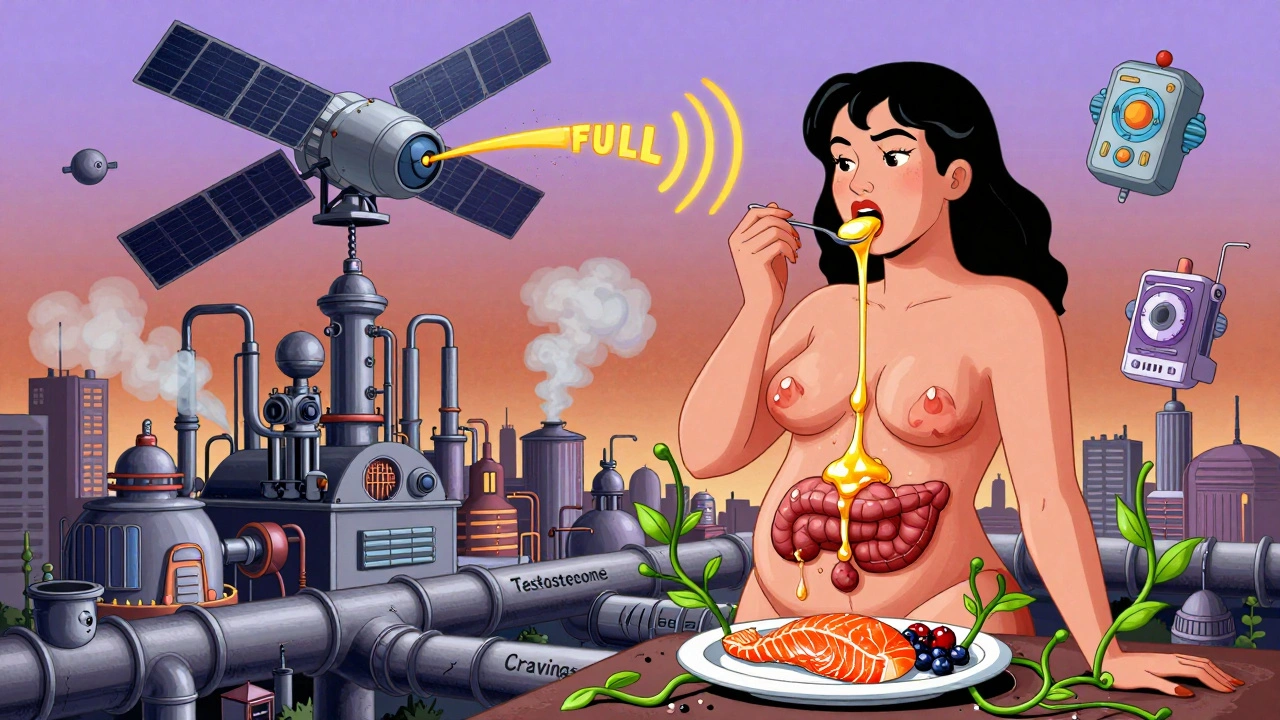
What to Avoid: The Hidden Triggers
Sugar is the biggest enemy. Not just candy and soda-look at “healthy” foods like flavored yogurt, granola bars, and even fruit smoothies. Many of these have more sugar than a candy bar. Read labels. If sugar is one of the first three ingredients, skip it. Refined carbs are just as bad. White bread, pastries, crackers, and pretzels break down into sugar almost as fast as table sugar. They’re everywhere-and they’re designed to trigger cravings. Even whole grain bread can spike insulin if you eat too much at once. Portion control matters. Dairy can be tricky. Some women with PCOS find that milk and cheese increase insulin levels. That doesn’t mean you have to cut it out forever, but try reducing it for a few weeks and see how you feel. Unsweetened almond milk or coconut yogurt are good alternatives. And don’t underestimate processed foods. They’re full of hidden sugars, unhealthy fats, and additives that cause inflammation. Stick to real, whole foods as much as possible.Small Changes That Make a Big Difference
You don’t need to overhaul your life overnight. Start with one change and build from there. - Eat protein with every meal-even breakfast. Try eggs or a smoothie with protein powder and spinach. - Swap sugary cereal for oatmeal topped with nuts and berries. - Drink water instead of soda or juice. Even sparkling water with lemon helps. - Don’t skip meals. Going too long without eating makes insulin spike harder when you finally eat. - Try eating your largest meal earlier in the day. Your body handles insulin better in the morning. A 2021 study found that women with PCOS who followed a low-glycemic diet for just 12 weeks lost an average of 5% of their body weight-and saw improvements in menstrual regularity and testosterone levels. You don’t need to lose 50 pounds to see results. Losing 5-10% can dramatically improve insulin sensitivity and fertility.
Why Weight Loss Isn’t the Only Goal
It’s easy to fixate on the scale. But with PCOS, the real wins are invisible. Better sleep. Fewer cravings. Clearer skin. More regular periods. Improved mood. These are signs your body is healing-even if the number on the scale hasn’t changed much. Insulin resistance doesn’t disappear overnight. But with consistent dietary changes, your cells start to respond better. Your ovaries make less testosterone. Your cravings calm down. Your energy improves. And over time, your body starts to shift from fat-storage mode to fat-burning mode. That’s the key: you’re not trying to starve yourself. You’re retraining your metabolism.When Diet Isn’t Enough
Diet is the foundation-but sometimes, you need help. Medications like metformin are often prescribed for PCOS because they improve insulin sensitivity. They’re not magic pills, but they can give your body the support it needs to respond better to food. If you’re struggling to lose weight despite eating well, talk to your doctor about checking your fasting insulin and HbA1c levels. Many doctors only check blood sugar-but insulin tells the real story. Also, don’t ignore sleep and stress. Poor sleep raises cortisol, which increases belly fat and insulin resistance. Chronic stress does the same. Aim for 7-8 hours of sleep. Try walking, yoga, or breathing exercises. These aren’t luxuries-they’re part of your treatment plan.You’re Not Broken
If you’ve tried every diet and still can’t lose weight, it’s not your fault. PCOS isn’t a personal failure. It’s a metabolic condition. And the fact that you’re reading this means you’re already doing something right-you’re looking for answers that make sense. The path forward isn’t about perfection. It’s about consistency. Eat real food. Move your body in ways you enjoy. Rest. Be patient. Your body has been fighting an uphill battle for years. It doesn’t need another attack-it needs support. Change takes time. But every meal that’s low in sugar and high in protein is a step toward breaking the cycle. And that’s how you take back control-not by forcing yourself to diet, but by healing your metabolism from the inside out.Can you lose weight with PCOS if you have insulin resistance?
Yes, but not with traditional dieting. Weight loss with PCOS and insulin resistance requires a low-glycemic, high-protein, high-fiber diet that reduces insulin spikes. Losing just 5-10% of body weight can significantly improve insulin sensitivity, restore ovulation, and reduce symptoms like acne and excess hair growth.
Is a low-carb diet the best option for PCOS?
A moderate low-carb diet works well for most women with PCOS, but extreme keto isn’t necessary or sustainable for everyone. Focus on cutting refined carbs and added sugars, not all carbs. Whole grains, legumes, and low-glycemic fruits are fine in controlled portions and provide fiber and nutrients that help manage insulin.
Why do I crave sugar so much with PCOS?
High insulin levels suppress leptin (the fullness hormone) and increase ghrelin (the hunger hormone). This creates intense cravings, especially for quick carbs and sugar. These foods temporarily lower insulin, giving a false sense of relief-but they make the cycle worse over time.
Does metformin help with weight loss in PCOS?
Metformin improves insulin sensitivity, which can help reduce cravings and make weight loss easier. Many women lose 5-10% of their body weight on metformin over 6-12 months, especially when combined with dietary changes. It’s not a weight-loss drug, but it removes a major barrier to losing weight.
Can you have PCOS and be thin?
Yes. Up to 75% of lean women with PCOS still have insulin resistance. Weight isn’t the only indicator. Symptoms like irregular periods, acne, excess hair, and difficulty conceiving can still be present. Insulin resistance can exist without visible weight gain, especially if fat is stored internally around organs.
How long does it take to see results from a PCOS diet?
Some women notice reduced cravings and more energy within 2-4 weeks. Improvements in menstrual regularity and skin often appear in 2-3 months. Weight loss is slower but steady-most see noticeable changes in 3-6 months with consistent eating habits. Patience and consistency matter more than speed.
मनोज कुमार
December 2, 2025 AT 21:50Insulin resistance is the core metabolic dysfunction in PCOS not just a side effect
Low glycemic load diet > calorie counting
Protein first then fiber then fats
End of story
Laura Baur
December 4, 2025 AT 17:08You know what's truly tragic? How many women have been told to just 'eat less and move more' while their bodies are literally screaming for metabolic repair. Insulin isn't just a hormone-it's a dictator in the endocrine kingdom, and when it's running the show, willpower becomes a cruel joke. The fact that mainstream medicine still treats PCOS as a weight issue rather than a hormonal dysregulation crisis is criminal. We're not lazy-we're biochemically hijacked. And until doctors start testing fasting insulin instead of just HbA1c, we'll keep drowning in well-meaning but toxic advice.
Roger Leiton
December 5, 2025 AT 12:29This is so spot on 🙌 I’ve been on this journey for 3 years and the moment I stopped counting calories and started focusing on protein + fiber + healthy fats? My cravings just… vanished. Like, poof. No more 3am ice cream raids. Also, switching to unsweetened almond milk was a game changer. I didn’t even realize how much sugar was in my ‘healthy’ yogurt 😅
Joel Deang
December 5, 2025 AT 21:45bro i was eatin keto for 6 months and my period still didnt come 😭 then i switched to just eatin real food no junk no fake low carb stuff and boom 2 months later regular cycle. also berries are fire 🍓
dave nevogt
December 6, 2025 AT 05:53There’s a quiet violence in how we’ve been conditioned to view PCOS-as if the body’s resistance to insulin is a personal failing, a moral lapse in discipline. But biology doesn’t care about willpower. It cares about signals. When insulin is chronically elevated, the body isn’t broken-it’s adapting, conserving, protecting. The real revolution isn’t in losing weight-it’s in redefining health as metabolic harmony rather than a number on a scale. Healing isn’t about punishment. It’s about listening. And sometimes, that means eating more fat, not less.
Arun kumar
December 7, 2025 AT 11:11yea same here in india, everyone thnk pcos means fat girl but my friend is slim but have hirsutism and irregular period, she was told to eat less rice but she was eating white rice only 1 time a day and still problem. then she switch to brown rice + lentils + eggs and now better. insulin resistance dont care how you look
Steve Enck
December 7, 2025 AT 20:20It is imperative to underscore that the pathophysiological mechanisms underpinning polycystic ovary syndrome are not adequately addressed by conventional dietary paradigms predicated on caloric restriction. The insulin resistance phenotype, characterized by hyperinsulinemia and consequent upregulation of androgen synthesis, necessitates a paradigmatic shift toward nutrient-dense, low-glycemic-load nutritional interventions. Empirical data from randomized controlled trials substantiate that dietary fiber intake exceeding 30g/day, coupled with a protein-to-carbohydrate ratio of approximately 1:2, significantly attenuates insulin spikes and modulates gonadotropin dynamics. Moreover, the omission of dairy-derived insulinogenic proteins-particularly casein and whey-may yield additional metabolic benefits, as evidenced by reductions in serum testosterone levels in longitudinal studies. One must, therefore, eschew the reductionist notion of weight loss as a proxy for health, and instead prioritize biomarkers of metabolic resilience: fasting insulin, HOMA-IR, and free androgen index.
Jack Dao
December 9, 2025 AT 03:19So you're telling me I should eat more fat and stop eating bread? Wow. I guess I should've known that eating like a caveman would fix my period. 🙄 Next you'll say I should stop using deodorant and walk barefoot on grass. People like you make real science look like a cult.