
How Humidity and Heat Accelerate Medication Expiration Dates & Safety
 Mar, 31 2026
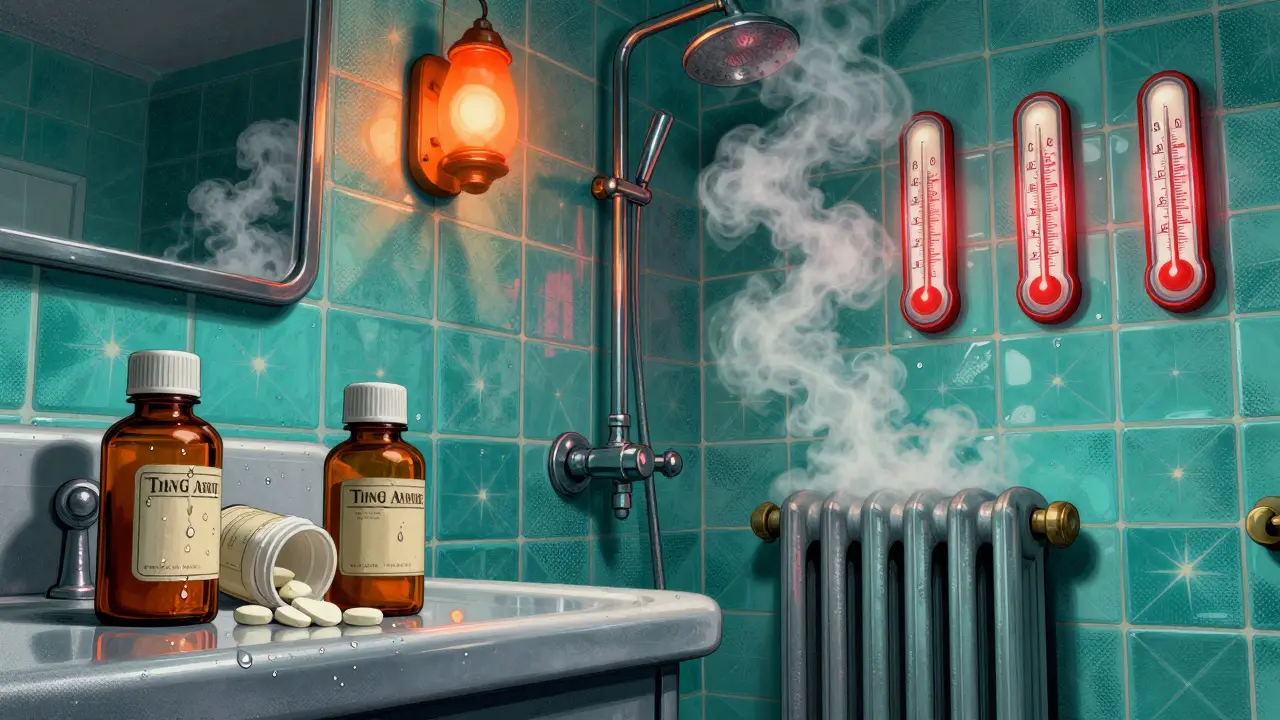
Imagine taking a life-saving pill that no longer works because it sat in your bathroom cabinet during last month's heatwave. This isn't just theoretical fear; the breakdown of active ingredients often starts long before the printed date on the bottle. We tend to trust the expiration stamp blindly, assuming it accounts for every scenario. The reality is much more complex. Your environment plays a massive role in how fast that timeline shrinks. Heat and moisture are the two biggest enemies of pharmaceutical stability, silently degrading the very chemicals meant to heal you.
The Science Behind Drug Decay
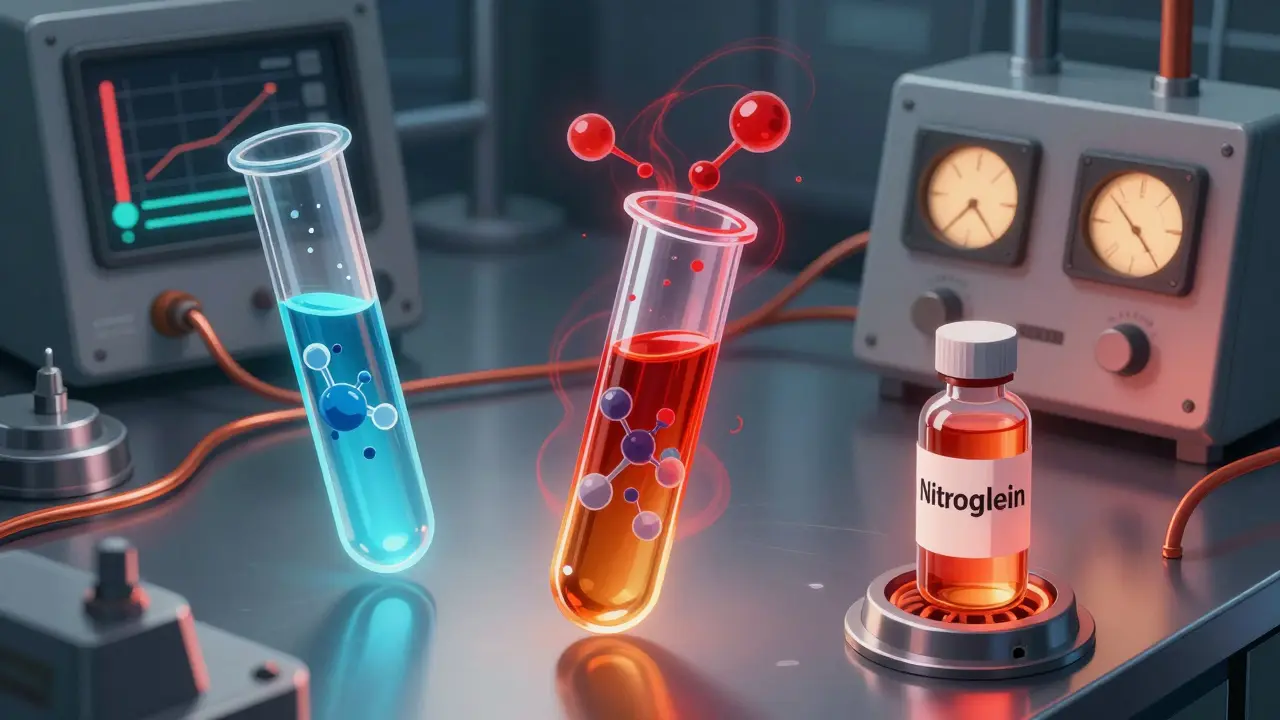
To understand why your pills go bad, you have to look at chemistry. Medication is a pharmaceutical product designed with specific chemical stability profiles. When stored perfectly, these molecules hold their form for years. But throw in heat, and molecular bonds vibrate and break down faster. It’s basic kinetics: energy increases reaction rates. If you store a tablet in a hot car, the temperature spikes trigger chemical changes that would normally take months to happen over just hours. Environmental factors like humidity are even sneakier. They don't just sit there; they penetrate. Many tablets contain binders and fillers that absorb water vapor. When moisture gets inside, it can cause hydrolysis-a chemical reaction where water splits the active ingredient into useless byproducts. Dr. Hani Jneid, an assistant professor of medicine at Baylor College of Medicine, notes that medications can be altered by extreme heat and moisture, causing them to become less potent before their designated expiration dates. This degradation is invisible until it is too late.
Vulnerable Medications You Need to Watch
Not all drugs react the same way. Solid oral forms like ibuprofen or acetaminophen are tough cookies. They can handle some fluctuation, often maintaining most of their power even if things get warm for a few days. However, other formulations are extremely fragile. Liquid medicines are the first to fail. Suspensions separate, and concentrations shift.
Here are the specific classes of drugs that demand strict attention:
- Biologics and Proteins: These are essentially biological tissues. Monoclonal antibodies lose their shape-denature-when taken out of the 2°C to 8°C refrigeration range. Once the protein structure unravels, it cannot recover.
- Nitroglycerin: This angina medication decomposes rapidly above room temperature. A study noted that patients often store these sublingual tablets in bedside tables or kitchen drawers near appliances, effectively neutralizing the drug when they need emergency relief.
- Antibiotic Suspensions: Specifically liquid versions like amoxicillin reconstituted at home. They require refrigeration after mixing. At room temperature, they can lose 30% to 40% of their potency within 72 hours, leading to failed infections.
- Insulin: Unopened pens stay cold, but once opened, exposure to heat is dangerous. Research indicates insulin loses significant activity if exposed to high temperatures, risking blood sugar instability.
- Inhalers and Auto-injectors: Devices like EpiPens contain pressurized gas. Heat expands the propellant, potentially causing mechanical failure or, in extreme cases, explosion risks if the pressure builds beyond the casing limits.
| Meds Type | Sensitivity Level | Max Safe Temp | Failure Timeframe |
|---|---|---|---|
| Biologicals (e.g., Insulin) | Extreme | 25°C (77°F) | Hours to Days |
| Liquid Antibiotics | High | 25°C (77°F) | 72 Hours |
| Nitroglycerin | High | 25°C (77°F) | Weeks |
| Tablets/Capsules | Low/Moderate | 30°C (86°F) | Months |
The Bathroom Cabinet Myth
Ask anyone where they keep their medicine, and ten times out of ten, it’s the bathroom. It feels private and organized. For storage purposes, it is terrible. Every time you shower, the relative humidity spikes to levels of 70% to 90%. This is a sauna environment for your bottles. Over time, this cycle condenses moisture on the outside of bottles, eventually seeping into the packaging.
The same goes for the kitchen. While convenient, proximity to ovens, stoves, and dishwashers creates pockets of heat that exceed the recommended 25°C. Patricia Vandercruys, Site Coordinator at Montreal Children's Hospital, emphasizes that all medications need controlled room temperature storage. Leaving bottles on counters near sinks introduces constant dampness. The combination of cooking steam and dishwater runoff creates a perfect storm for early expiration.
Proper Storage Strategies
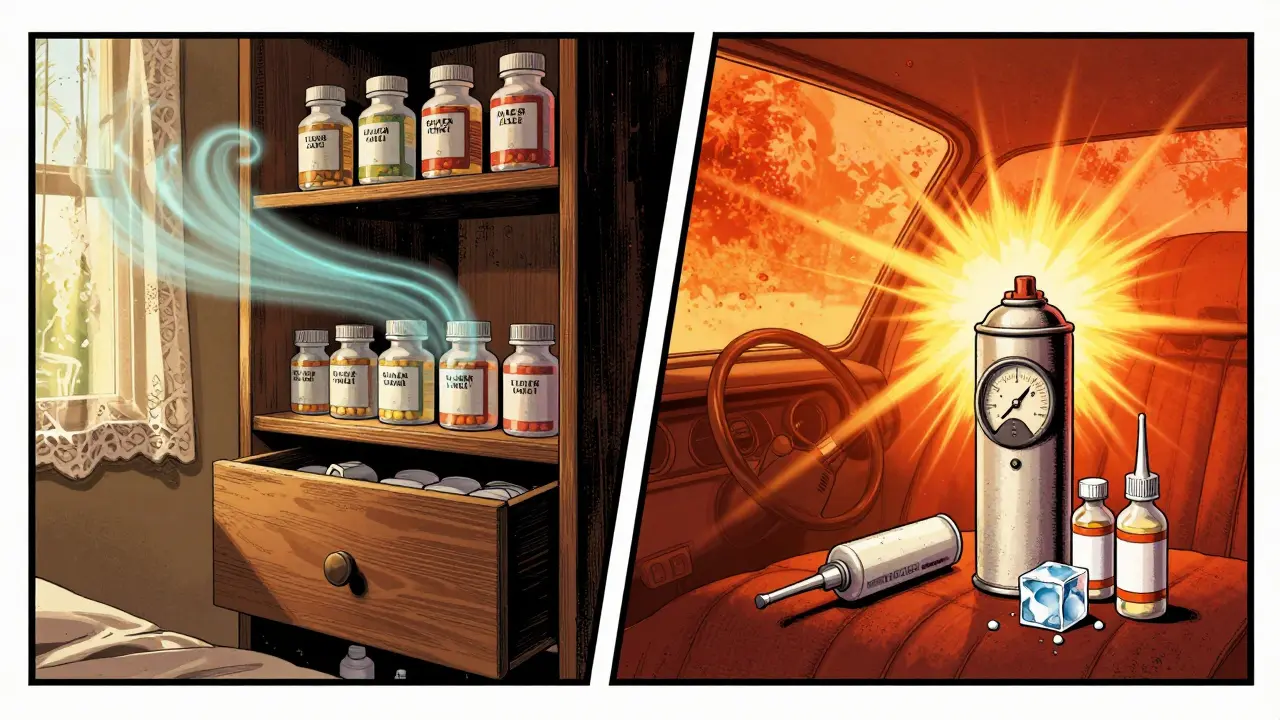
So, where does the ideal spot actually exist? You need consistency. The gold standard is a cool, dark, and dry place. A bedroom closet drawer, away from windows and exterior walls, usually offers the most stable temperature in a home. Keep humidity below 60%. That means staying away from laundry rooms and basements unless they are climate-controlled.
If you travel, avoid the glove box. On sunny days, temperatures in a parked car can soar past 60°C. Specialized cool packs are available at pharmacies for trips involving sensitive items like insulin. For day-to-day living, always return bottles to their original containers immediately after use. These bottles are opaque to protect against light and fitted tightly to exclude air. Never decant pills into plastic bags or small containers lacking desiccants, as this exposes the contents to ambient fluctuations instantly.
Spotting Compromised Medicines
You can't always see the chemical breakdown, but physical signs often warn you. Inspect your stash regularly. If a white tablet looks yellowed or discolored, the chemistry inside has changed. Capsules that are cracked, chipped, or sticking together indicate moisture intrusion. Sometimes, tablets develop a strange odor-aspirin, for instance, breaks down into acetic acid (vinegar) and salicylic acid when wet. If it smells sour or vinegary, toss it.
Texture changes are another red flag. Tablets that are crumbling or unusually hard suggest structural failure. For liquids, look for cloudiness or floating particles that shouldn't be there. These visual clues are your immediate feedback system. If in doubt, do not swallow it. The risk of treating a condition with ineffective medicine far outweighs the cost of replacement.
Risks of Using Degraded Drugs
The FDA states clearly that using expired or damaged medicines is risky. The danger lies in unpredictability. With antibiotics, partial potency can mean an infection doesn't clear fully, fostering resistant bacteria. In chronic management like thyroid disease or hypertension, dropping below therapeutic levels can lead to symptoms creeping back up. For acute emergencies, like a seizure or anaphylactic shock, a device failing mechanically could prove fatal. The stability testing performed by manufacturers assumes controlled environments; once you deviate from that, you void the guarantee of efficacy.
Is it safe to take medication after its expiration date?
It depends entirely on storage conditions. For prescription drugs stored poorly (hot or humid), safety is never guaranteed. Solid generics may retain some potency a year later, but biologics and liquids should never be used past their date.
Can I store medicine in my car during summer?
Never. Even in the shade, cars act as ovens. Temperatures exceeding 49°C can degrade medicines in minutes and cause pressure explosions in aerosols.
What happens if humidity ruins my antibiotics?
Potency drops significantly, especially in liquid suspensions. This increases the risk of antibiotic resistance if the bacteria survive the treatment course.
How do I know if nitroglycerin is bad?
If it has been kept in a pocket or wallet, discard it. Nitroglycerin is unstable and volatile; heat exposure degrades it quickly. Replace stock frequently.
Does keeping meds in the bathroom cabinet hurt them?
Yes. Shower steam raises humidity levels drastically, accelerating chemical breakdown inside capsules and tablets over time.
Goodwin Colangelo
April 1, 2026 AT 23:01It is really important that everyone checks their storage conditions more often than just looking at the date label. Many people forget that bathroom steam creates a sauna effect right inside the medicine cabinet door. If you live in a humid state, moving pills to a drawer is the best simple fix available. I suggest keeping insulin in a dedicated bag during summer travel trips too.
Beth LeCours
April 2, 2026 AT 16:03Bathrooms are terrible for drugs so just keep them in your closet instead of wasting time cleaning.
The Charlotte Moms Blog
April 4, 2026 AT 09:56You are missing the bigger picture entirely!! Humidity isn't just moisture; it is a chemical weapon against your health!!! Pharmacies need to sell bottles with warning labels instead of lying silently!!! We need stricter regulations immediately!!! Stop ignoring the data points!!!
Joey Petelle
April 5, 2026 AT 14:36It is amusing how people still trust these mass-produced chemicals despite all evidence to the contrary. The elite know better than to store anything in those public shower rooms. Your cheap habits are killing your immune system slowly without you realizing it. Real quality requires real control over your environment. Most of you just follow the crowd blindly into failure. Do not be surprised when the medicine fails you when you need it most. This is basic common sense that seems lost on the masses. Superior individuals manage their assets with precision and care. The rest of us pay for your negligence with our collective health metrics. Wake up and take responsibility for your own survival. It is quite pathetic watching people rely on expired sludge. You deserve the protection you actually buy for yourself.
Will Baker
April 6, 2026 AT 16:00I am sure the elite also forget to read instructions just like the rest of us idiots. It is hilarious seeing someone act superior about humidity issues in their own home. You probably leave your own meds in the bathroom while typing this nonsense. Arrogance does not help the chemistry react correctly either. Enjoy your superiority complex while the bottle dissolves anyway.
Lawrence Rimmer
April 7, 2026 AT 11:51The decay of matter is inevitable for us all in the grand scheme of existence. We spend our lives trying to fight entropy with little success really. Pills breaking down are just small versions of our own bodies failing over time. It is funny how we trust plastic bottles more than our own senses sometimes. The concept of expiration is arbitrary in the face of nature anyway. You cannot freeze time even if you store them in the fridge perfectly. Chemistry moves forward regardless of what we think is safe. People worry about dates when they should worry about the process itself. The shelf life is a contract between manufacturer and consumer mostly. We sign off on risk every time we swallow something made by strangers. Ignoring humidity means ignoring the water that surrounds everything constantly. It is a battle of atoms against the environment essentially. Most of us lose that war without knowing we ever fought it honestly. Our trust in printed numbers is a comforting lie mostly. We should look at texture and smell rather than the calendar blindly. Nature does not care about our schedules or our expiration stamps.
Hudson Nascimento Santos
April 7, 2026 AT 16:46The philosophical angle is interesting but practical safety measures prevent actual harm in real time.
Aysha Hind
April 8, 2026 AT 16:13The big pharmaceutical companies want you to keep taking weak meds so you get sick again. They profit from your confusion about storage conditions and safety standards. It is a calculated risk designed to keep you dependent on their products. Do not let them fool you with their printed expiration dates ever. Trust your gut instincts when the pill smells wrong or looks different. Hidden agendas are everywhere in our modern medicine supply chain. You need to watch out for themselves because nobody else will care. Stay vigilant against their attempts to push bad chemicals on you. Protection is the only way to survive this system of control.
Vicki Marinker
April 10, 2026 AT 13:48Conspiracy theories distract from the basic physics involved in storage stability significantly. While corporate motives may vary, chemical degradation is a factual scientific principle. Accusations of malice do not change the molecular behaviour of aspirin in humidity. We should focus on verified environmental factors rather than imagined plots. Rational analysis offers the best path forward for everyone concerned. Precision matters much more than fear-mongering about hidden agendas.
angel sharma
April 12, 2026 AT 07:51We must understand that the power to maintain our own health lies entirely within our daily actions regarding storage. Every single morning presents a new opportunity to protect our vitality through proper organization. Imagine the incredible potential for wellness when we simply stop exposing our medicines to harmful steam and heat. You have the ability to make a massive difference by choosing a cool drawer over a damp bathroom cabinet today. Think about how much energy you could save if your medication worked exactly as intended every single time. This is about building a foundation for a stronger future for ourselves and our families. Let us commit to mastering our environment so that the science works for us instead of against us. Your dedication to learning these facts shows great promise for positive change ahead. Remember that consistency in small habits leads to monumental improvements in overall well-being over time. Believe in your capacity to become a guardian of your own body temperature and safety.
Dipankar Das
April 12, 2026 AT 13:17Your enthusiasm for improving personal health habits is truly commendable and inspiring to read. Consistency in storing medications is indeed the cornerstone of effective self-care protocols. Please continue spreading this vital information to your community with such positivity. We believe that education is the strongest tool we possess against environmental hazards. Stay committed to maintaining optimal conditions for your essential treatments always.
Sakshi Mahant
April 13, 2026 AT 03:15It is wonderful to see discussions that prioritize safety without creating unnecessary panic or division. Different homes have different needs, yet the core principle of dry storage remains universal. We should support each other in finding solutions that work for our specific living situations. Finding balance between convenience and protection is key for sustainable healthy living habits. Let us keep sharing tips that bring everyone together towards better outcomes.
Joseph Rutakangwa
April 14, 2026 AT 20:58Great point about unity and shared goals. Keep it simple and safe for all.
Sam Hayes
April 14, 2026 AT 22:12Hey everyone just wanted to remind folks to check the label for temp guidelines specifically. Sometimes people think room temp is okay but it depends on the weather outside too. Just throw it away if you doubt the smell or color of it. Its better to replace it cheaply than get sick later for sure. Also dont put them in the glovebox of your car that gets super hot fast.
Dee McDonald
April 16, 2026 AT 04:10This is such a helpful reminder for all of us to check our own cabinets right now! You are doing an amazing job of keeping things clear and useful. Let's all go back and inspect our supplies to make sure we are safe. Energy goes a long way when we are protecting our own health effectively. Thanks for sharing these tips with the group!