
Antihistamines and Pain Relievers While Nursing: What’s Safe
 Jan, 2 2026
When you're nursing, every pill you take feels like a gamble. You want relief from allergies or a headache, but you’re terrified of harming your baby. The truth? Most common antihistamines and pain relievers are perfectly safe - if you pick the right ones. The wrong choice, however, can leave your baby drowsy, fussy, or struggling to feed. This isn’t about fear. It’s about knowing exactly what works, what doesn’t, and why.
Not All Antihistamines Are Created Equal
There are two big groups of antihistamines: first-generation and second-generation. The difference isn’t just brand names - it’s safety.First-generation antihistamines like diphenhydramine (Benadryl), chlorpheniramine, and promethazine are the old-school options. They cross into breast milk easily. More importantly, they cross into your baby’s brain. That’s why some moms report their babies become unusually sleepy, refuse to nurse, or even lose weight after taking these. One study tracked infants whose mothers used diphenhydramine regularly and found signs of poor feeding and reduced alertness. Not every baby reacts - but enough do that it’s not worth the risk.
Second-generation antihistamines like loratadine (Claritin), cetirizine (Zyrtec), and fexofenadine (Allegra) are different. They’re designed to stay out of the brain. They’re larger molecules, bind tightly to proteins in your blood, and only a tiny fraction ends up in breast milk. For example, loratadine transfers at just 0.04% of the maternal dose. Fexofenadine? Only 0.02%. That’s less than a drop in a bathtub. No major health organizations list these as risky. The American Academy of Family Physicians, Mayo Clinic, and the Breastfeeding Network all say they’re the go-to choices.
What About Pain Relievers?
For pain, acetaminophen (Tylenol) and ibuprofen (Advil, Motrin) are the clear winners. Both are found in breast milk in tiny amounts - under 2% of your dose - and neither has ever been linked to problems in nursing babies.Acetaminophen is especially gentle. It breaks down quickly in your body and passes into milk at low levels. You can take it daily for headaches, back pain, or postpartum discomfort without worry. Ibuprofen is even better for inflammation. It has a short half-life (just two hours), so it clears fast. Studies show no changes in infant behavior, feeding, or growth with normal doses.
Now, the ones to avoid: naproxen (Aleve). It sticks around in your system for up to 17 hours. That means more of it builds up in your milk. There are documented cases of infants developing anemia, vomiting, or bleeding issues after long-term exposure. The AAFP specifically warns against using naproxen regularly while nursing.
And never assume opioids are safe. Codeine, tramadol, oxycodone - these are metabolized differently in different people. Some moms turn codeine into morphine faster than normal, flooding breast milk with dangerous levels. The FDA has issued black-box warnings about this. Even morphine and hydrocodone should only be used for a day or two after surgery - and never without close monitoring.
Hidden Antihistamines in Everyday Medicines
Here’s where most moms get caught off guard. You’re not just taking one pill. You’re taking a cold medicine, a sleep aid, or an allergy combo pack - and those often contain hidden antihistamines.Read labels like your baby’s life depends on it - because it does. Common culprits:
- Dimenhydrinate (Dramamine) - for nausea and motion sickness
- Doxylamine - in many nighttime sleep aids and cold formulas
- Hydroxyzine - sometimes in anxiety or allergy meds
- Phenylephrine + chlorpheniramine - in multi-symptom cold remedies
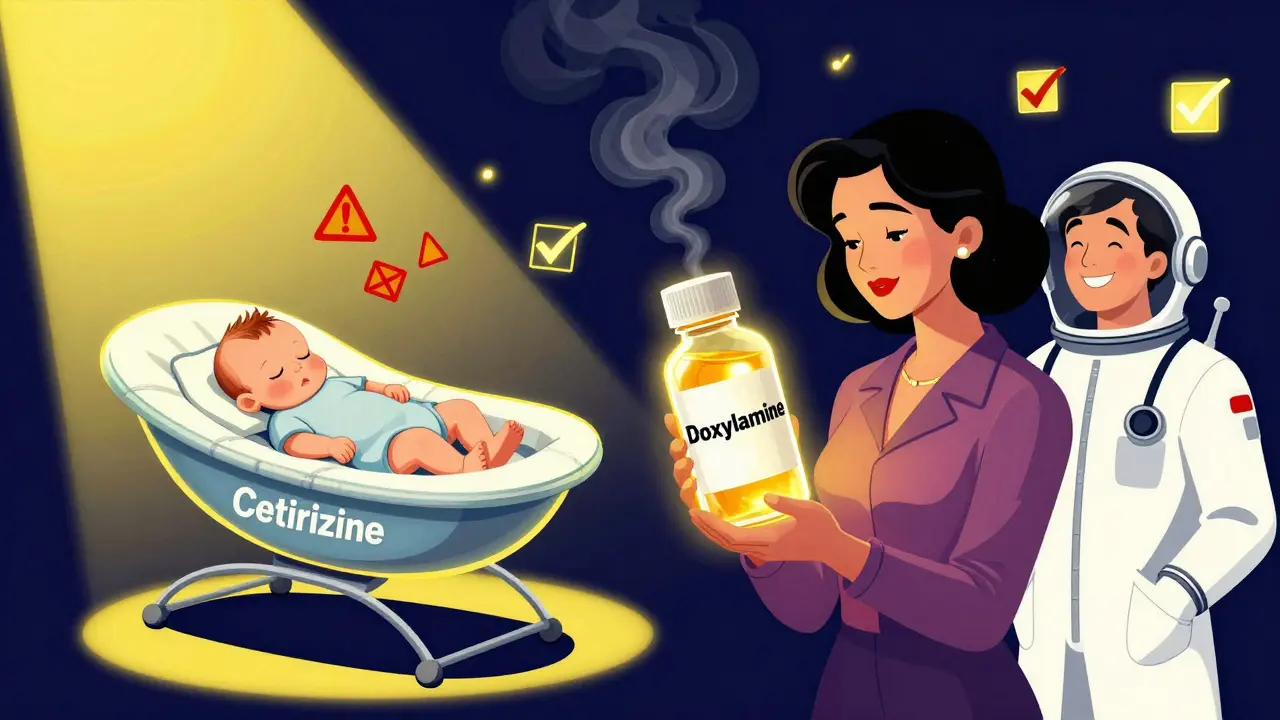
One mom in Brighton told me she took a nighttime cold tablet because she couldn’t sleep. Two days later, her 3-month-old was barely nursing and slept through feedings. She didn’t realize the tablet had doxylamine. Once she switched to plain acetaminophen and loratadine, her baby bounced back in 24 hours.
What If You’ve Already Taken Something Risky?
If you accidentally took diphenhydramine or naproxen, don’t panic. One dose won’t hurt. But here’s what to do:- Watch your baby for drowsiness, poor feeding, or unusual fussiness.
- Wait at least 4-6 hours after taking a sedating antihistamine before nursing - this lets your body clear some of it.
- Try to nurse right before taking the medication, not right after.
- Switch to a safer alternative immediately.
If your baby shows signs of trouble - like breathing slower than 12 breaths per minute, refusing to nurse for more than one feeding, or turning pale - call your pediatrician. Most cases resolve quickly once the drug is stopped, but it’s better to be safe.
Real-World Tips for Safe Medication Use
- Use the lowest effective dose. You don’t need two 10mg tablets of loratadine. One is enough. - Time your doses. Take pain relievers or antihistamines right after a feeding, not before. That gives your body time to clear the drug before the next feed. - Don’t mix with alcohol. Alcohol boosts sedation. That’s a double hit on your baby’s nervous system. - Check all OTC labels. Even cough syrups and sinus tablets can hide antihistamines. Look for “antihistamine” or “drowsiness” on the label. - Stick to single-ingredient products. Avoid combo pills. If you need pain relief and allergy relief, take them separately - and only if necessary.What About Natural Remedies?
Some moms turn to herbal teas, honey, or essential oils. But don’t assume natural = safe. Butterbur, for example, is sometimes used for allergies but can harm the liver. Licorice root can raise blood pressure. Honey should never be given to babies under 12 months - and while it’s safe for you to eat, trace amounts can pass into milk. Stick to proven, tested medications.
When to Call Your Doctor
You don’t need to call for every little thing - but do reach out if:- Your baby sleeps more than usual and misses feedings
- You’re using pain relievers or antihistamines daily for more than a week
- You have kidney or liver problems - your body clears drugs slower
- You’re taking more than one medication at a time
Your doctor or a lactation consultant can help you find the safest option for your specific situation. There’s no one-size-fits-all, but there are plenty of safe paths.
Bottom Line: You Can Take Medication - Just Choose Wisely
You’re not a bad mom for needing help. Allergies don’t take a break when you have a newborn. Headaches don’t disappear because you’re breastfeeding. The key isn’t avoiding medicine - it’s choosing the right kind.Loratadine, cetirizine, fexofenadine - these are your friends for allergies.
Acetaminophen and ibuprofen - these are your allies for pain.
Everything else? Read the label. Ask a pharmacist. Wait it out. Or call your provider. Your baby’s health isn’t a gamble. It’s a choice - and you’ve got the power to make the right one.
Is it safe to take Zyrtec while breastfeeding?
Yes, cetirizine (Zyrtec) is considered safe for breastfeeding mothers. It transfers into breast milk in very small amounts - less than 1% of the maternal dose - and no adverse effects have been reported in nursing infants. It’s one of the most recommended second-generation antihistamines for nursing moms.
Can I take Benadryl while nursing?
Diphenhydramine (Benadryl) is not recommended for regular use while breastfeeding. It can cause drowsiness, poor feeding, and even failure to thrive in infants. While a single dose is unlikely to cause harm, it’s best to avoid it unless absolutely necessary. Safer alternatives like loratadine or cetirizine work just as well without the risk.
Is ibuprofen safe for breastfeeding moms?
Yes, ibuprofen is one of the safest pain relievers for breastfeeding mothers. It passes into breast milk in very low amounts (less than 1% of your dose) and has a short half-life, meaning it clears quickly. It’s commonly used for postpartum pain, headaches, and inflammation without affecting the baby.
What painkillers should I avoid while breastfeeding?
Avoid naproxen (Aleve) for regular use - it builds up in breast milk and has been linked to infant bleeding and anemia. Also avoid codeine, tramadol, oxycodone, and hydrocodone unless prescribed for short-term, urgent pain. These can cause dangerous sedation in babies due to how they’re metabolized. Always ask your doctor before taking any opioid.
Can I take allergy pills every day while nursing?
Yes, second-generation antihistamines like loratadine and cetirizine can be taken daily while breastfeeding. They’re designed for long-term use and have no known long-term effects on infants. But if you’re using them daily for more than a few weeks, talk to your doctor - you may need to check for underlying causes of your allergies or explore non-medication options like nasal rinses or allergen avoidance.
Do antihistamines reduce milk supply?
There’s no strong evidence that second-generation antihistamines reduce milk supply. First-generation ones like diphenhydramine might cause temporary dryness or reduced let-down due to their anticholinergic effects, but this is rare and usually only happens with high or frequent doses. If you notice your supply dropping after starting a new medication, switch to a safer option and monitor for a few days.
Angela Fisher
January 2, 2026 AT 21:42They're lying to us. All of it. Benadryl? Totally fine. The FDA just buried the studies. I know a mom in Ohio whose baby stopped breathing after Zyrtec - they called it 'coincidence.' But the hospital records? Deleted. They don't want you to know that antihistamines are just gateway drugs to autism. And acetaminophen? That's the real villain. It's in the water supply too. They want you dependent. Wake up. 🤡
Neela Sharma
January 3, 2026 AT 05:00Breastfeeding is not a pharmacy. It's a sacred dance between mother and child. When we reach for pills, we forget we are already whole. The body knows. The milk remembers. Let the fever burn. Let the sneezes come. The baby feels your breath - not your dosage. Sometimes, stillness is the strongest medicine. 🌿
Shruti Badhwar
January 4, 2026 AT 15:44While the article provides clinically sound advice, it fails to address systemic issues in maternal healthcare. The normalization of pharmaceutical dependency for minor symptoms reflects a broader cultural erasure of holistic postpartum care. Furthermore, the absence of data on socioeconomic barriers to accessing safer medications undermines the universality of these recommendations. A more equitable approach would include subsidized access to evidence-based alternatives and mandatory pharmacist counseling for lactating patients.
Brittany Wallace
January 5, 2026 AT 09:14I’m from a culture where we use turmeric paste and cold compresses for everything - and my daughter is 7 now, thriving. But I also get that not everyone has access to that kind of support. I took loratadine when I was nursing, and it felt like a small act of self-love. Not because I was weak - because I was trying to be present. We don’t have to choose between being a good mom and being a whole person. 🤍
Michael Burgess
January 6, 2026 AT 11:21Big shoutout to the author - this is the most balanced, non-fearmongering guide I’ve seen. I’m a dad, and I read this to my wife when she was freaked out after accidentally taking a NyQuil. She switched to Zyrtec + ibuprofen, and our baby didn’t skip a beat. Pro tip: Use the LactMed app. It’s free, FDA-backed, and way better than Reddit guesses. Also, don’t forget to hydrate. Water helps flush things out faster than you think. 💪
Liam Tanner
January 7, 2026 AT 12:14One of the most useful posts I’ve read on this topic. Clear, evidence-based, and avoids the usual emotional manipulation. I appreciate the emphasis on single-ingredient meds and timing. I wish more doctors gave this level of detail. My sister took naproxen for a week after her C-section and didn’t realize her baby was lethargic until he lost 8% of his birth weight. This info could’ve saved her months of guilt.
Palesa Makuru
January 7, 2026 AT 18:55Look, I get that you want to sound helpful, but let’s be real - if you’re taking any of these meds daily, you’re probably not sleeping, eating, or processing trauma. The real issue isn’t the drug - it’s that society expects mothers to suffer silently while medicating themselves into compliance. You didn’t mention therapy. Or postpartum depression. Or the fact that 1 in 5 moms are on SSRIs. Why pretend this is just about ‘choosing wisely’? It’s about a broken system. And you’re just selling bandaids.
Hank Pannell
January 8, 2026 AT 11:39From a pharmacokinetic standpoint, the key variables are protein binding, molecular weight, and half-life - which is why second-gen antihistamines outperform first-gen. The volume of distribution in neonates is higher due to increased total body water, but the low plasma concentrations of loratadine (Cmax < 0.5 ng/mL) remain below the therapeutic threshold for CNS effects. That said, CYP2D6 polymorphisms in the mother can influence metabolite profiles - particularly with cetirizine’s minor hepatic conversion to desloratadine. Bottom line: pharmacogenomics isn’t in the label, but it should be. If you’re on polypharmacy, consider a pharmacogenetic test. It’s cheaper than ER visits.