
Urticaria Explained: Hives, Triggers, and Antihistamine Treatments
 Jul, 17 2026
Have you ever woken up with your skin feeling like it’s on fire, only to find raised, red welts that weren’t there before? You are not alone. This condition, medically known as urticaria, commonly called hives or nettle rash, affects roughly 20% of people at some point in their lives. It is an itchy, frustrating, and sometimes painful skin reaction caused by histamine release from mast cells under the skin.
While acute cases often vanish within a day or two, chronic urticaria can stick around for months or even years. The good news? We have come a long way since the 1930s when scientists first identified histamine’s role in this process. Today, effective treatments exist, ranging from over-the-counter pills to advanced biologic therapies. Let’s break down what causes those itchy welts, how to identify your specific triggers, and which medications actually work without knocking you out.
What Is Urticaria and Why Does Your Skin React?
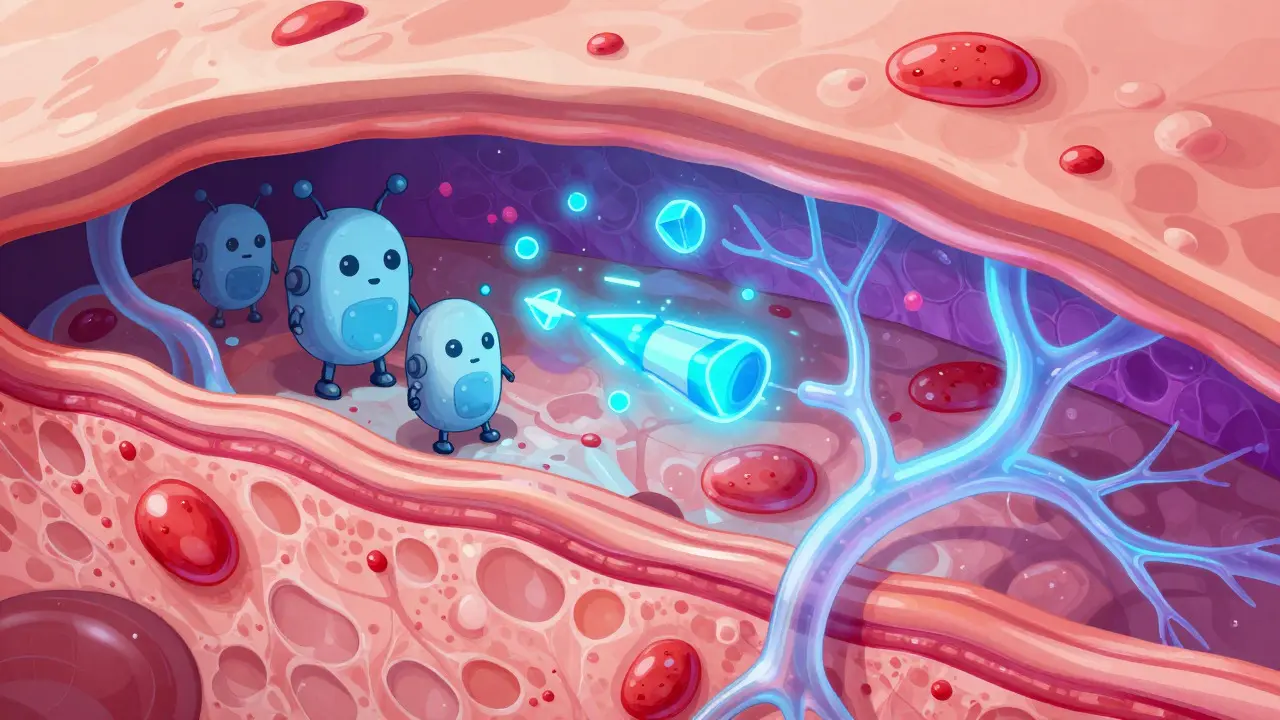
To understand why you get hives, you need to look beneath the surface. Your body contains immune cells called mast cells. These cells act like security guards, ready to release chemicals when they detect a threat. When triggered, they dump histamine into your tissues. Histamine causes blood vessels to widen (vasodilation) and become leaky, allowing fluid to escape into the surrounding skin. This fluid buildup creates the raised, swollen areas we call wheals.
These wheals can range from tiny pinpricks to large patches several centimeters wide. They are usually surrounded by redness (erythema) and itch intensely. Here is a key detail: individual hives typically last less than 24 hours in one spot. If a welt stays in the exact same place for more than a day, it might not be standard urticaria-it could be another condition like vasculitis, which requires different medical attention.
We categorize urticaria based on duration:
- Acute Urticaria: Lasts less than six weeks. Often linked to infections, foods, or medications.
- Chronic Urticaria: Persists for more than six weeks. About 70-80% of these cases are "spontaneous," meaning no external trigger is found.
Common Triggers: What Sets Off the Reaction?
Finding the cause of acute hives is often straightforward. Did you eat shellfish? Take a new antibiotic? Get bitten by an insect? However, chronic spontaneous urticaria (CSU) is trickier. In many cases, the trigger is internal rather than external.
Research from the European Academy of Allergy and Clinical Immunology (EAACI) shows that women are affected 1.5 to 2 times more frequently than men. Autoimmune factors play a significant role here; studies suggest that 30-40% of chronic cases involve the body producing antibodies against its own IgE receptors or mast cells. This isn’t an allergy to something outside your body-it’s your immune system misfiring internally.
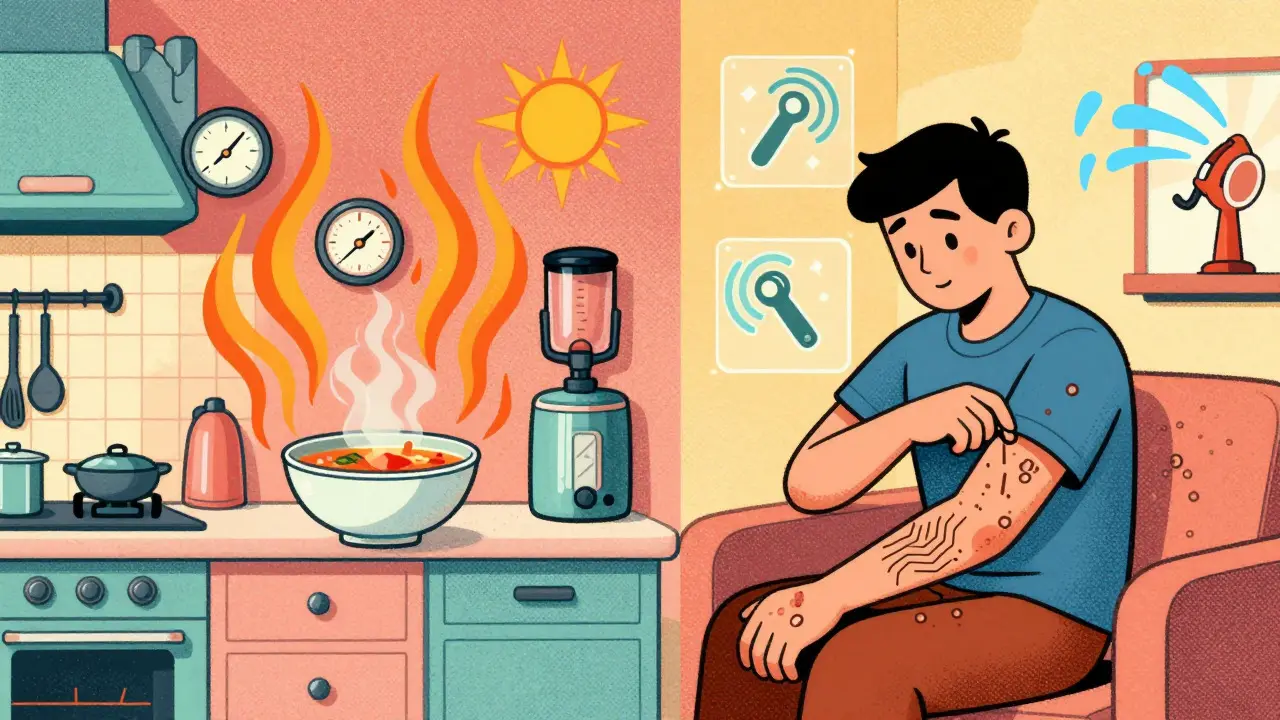
That said, physical triggers account for 20-30% of chronic cases. These include:
- Dermatographism: Scratching or pressure causes lines of hives.
- Cold or Heat Urticaria: Exposure to temperature changes triggers reactions.
- Solar Urticaria: Sunlight exposure causes rapid onset of welts.
- Vibratory Urticaria: Vibration from tools or exercise induces symptoms.
If you suspect a physical trigger, keeping a symptom diary can help. Note what you were doing, wearing, or eating right before the hives appeared. For many, avoiding tight clothing, hot showers, or specific temperatures provides immediate relief.
Antihistamines: The First Line of Defense
When it comes to treating hives, blocking histamine is the primary goal. Antihistamines are the cornerstone of therapy. But not all antihistamines are created equal. Doctors generally divide them into two generations.
First-generation antihistamines, such as diphenhydramine (Benadryl), have been around for decades. They work quickly but cross the blood-brain barrier, causing drowsiness in 50-70% of users. While they might help you sleep through the itch, they impair driving and cognitive function. Most experts now reserve these for nighttime use or severe acute reactions.
Second-generation antihistamines are the preferred first-line treatment. Medications like cetirizine (Zyrtec), loratadine (Claritin), and fexofenadine (Allegra) are non-sedating for most people. They block histamine receptors effectively without making you feel foggy. Standard adult doses range from 5mg to 10mg daily.
| Medication | Generation | Sedation Risk | Duration of Relief |
|---|---|---|---|
| Diphenhydramine (Benadryl) | First | High (50-70%) | 4-6 hours |
| Cetirizine (Zyrtec) | Second | Low-Moderate | 24 hours |
| Loratadine (Claritin) | Second | Very Low | 24 hours |
| Fexofenadine (Allegra) | Second | Very Low | 24 hours |
For chronic cases, standard doses often aren’t enough. The 2023 International Consensus Guidelines recommend up-dosing second-generation antihistamines to 2-4 times the standard dose before moving to other therapies. Many patients find complete control with higher doses, though you should always consult your doctor before increasing medication intake.
Advanced Treatments: When Antihistamines Aren't Enough
If high-dose antihistamines fail to control your symptoms, you are not out of options. Approximately 50% of chronic urticaria patients respond adequately to up-dosed antihistamines, but the other half need stronger interventions.
Omalizumab (Xolair) was a game-changer when it received FDA approval for chronic idiopathic urticaria in 2014. It is a biologic injection given subcutaneously every four weeks. Omalizumab works by binding to IgE, preventing it from triggering mast cells. Clinical trials show a 65% response rate in patients who didn’t respond to antihistamines. While effective, it comes with a high price tag-around $1,500 per dose in the US-and some patients experience injection site reactions.
In September 2023, dupilumab gained FDA approval for chronic spontaneous urticaria. Phase 3 trials showed a 55% complete response rate compared to 15% for placebo. This offers another injectable option for those seeking relief.
Perhaps the most exciting recent development is remibrutinib, approved in January 2024. It is the first oral tyrosine kinase inhibitor for this condition. Instead of an injection, you take a pill twice daily (50mg). Trials demonstrated 45% complete symptom control, with better patient adherence rates (85%) compared to omalizumab (70%). This marks a shift toward easier-to-manage chronic therapies.
Corticosteroids like prednisone are sometimes used for short bursts (3-5 days) during severe flares. However, they are not for long-term use due to side effects like hyperglycemia, insomnia, and mood swings. Cyclosporine is another option for resistant cases, but it carries risks of kidney toxicity and high blood pressure, requiring careful monitoring.

Living with Chronic Hives: Practical Management Tips
Managing urticaria is as much about lifestyle as it is about medication. The quality of life impact is real; surveys show that 68% of chronic hive sufferers report significant sleep disruption. Here is how to take back control.
- Start a Symptom Diary: Track your hives daily. Note severity, potential triggers (food, stress, temperature), and medication timing. Apps like 'Urticaria Tracker' can automate this process.
- Optimize Medication Timing: Don’t wait for hives to appear. Take your antihistamine consistently every day to maintain steady blood levels. If itching keeps you awake, ask your doctor about combining a non-drowsy daytime med with a sedating one at night.
- Avoid Known Irritants: Wear loose, cotton clothing. Avoid hot showers, which can worsen flushing. Manage stress, as emotional tension can exacerbate mast cell activation.
- Seek Specialist Care Early: If over-the-counter meds don’t work after two weeks, see an allergist or dermatologist. Delaying care often leads to prolonged suffering and unnecessary anxiety.
Remember, chronic spontaneous urticaria often burns itself out. Many patients see remission within 1-5 years. The goal during this time is symptom control, not necessarily curing the underlying immune dysfunction immediately.
Frequently Asked Questions
How long do hives usually last?
Individual hives typically last less than 24 hours in one location. Acute urticaria episodes resolve within six weeks. Chronic urticaria persists for more than six weeks, but many patients experience remission within 1 to 5 years.
Can food allergies cause chronic hives?
Food allergies are a common cause of acute hives, but they rarely cause chronic spontaneous urticaria. In chronic cases, only about 10-15% are linked to specific food additives or preservatives, not true food allergies. Elimination diets are generally not recommended unless a specific trigger is suspected.
Is it safe to take double the dose of antihistamines?
Guidelines recommend up-dosing second-generation antihistamines to 2-4 times the standard dose for chronic urticaria. However, you must consult your doctor before doing this to ensure it is safe for your specific health profile and to rule out drug interactions.
What is the difference between hives and eczema?
Hives (urticaria) are raised, itchy welts that move around the body and disappear within 24 hours. Eczema presents as dry, scaly, cracked patches of skin that stay in the same place for days or weeks and do not blanch (turn white) when pressed.
Are biologics like Xolair covered by insurance?
Coverage varies by region and provider. In the UK, NHS coverage depends on local clinical commissioning groups and strict criteria regarding failed antihistamine trials. In the US, most insurers cover omalizumab after prior authorization demonstrating failure of standard therapies.
Does stress make hives worse?
Yes. Stress activates the nervous system, which can trigger mast cell degranulation. Managing stress through techniques like mindfulness, yoga, or counseling can significantly reduce the frequency and severity of flare-ups.
When should I go to the emergency room for hives?
Seek immediate emergency care if hives are accompanied by swelling of the lips, tongue, or throat, difficulty breathing, wheezing, dizziness, or vomiting. These are signs of anaphylaxis, a life-threatening allergic reaction.