
Sleep Restriction Therapy: How to Reset Insomnia Patterns
 Sep, 4 2026
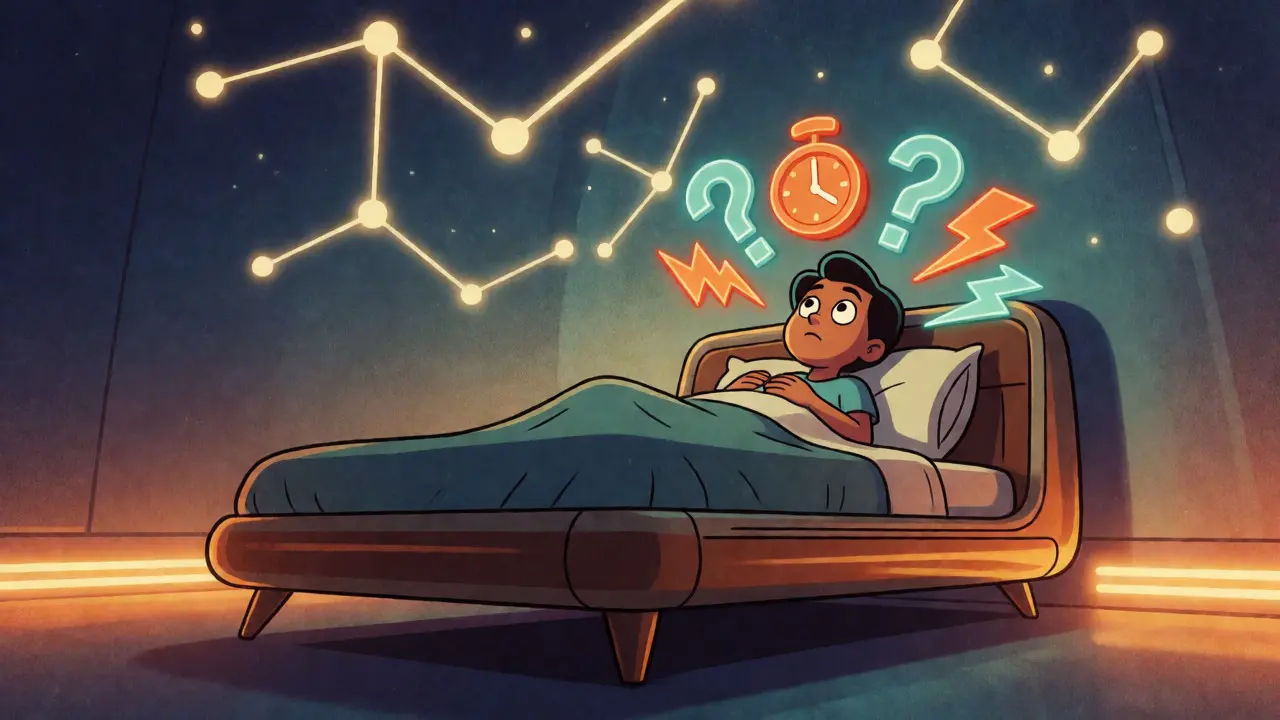
You know the feeling. You’ve been lying in bed for three hours, staring at the ceiling, calculating how little sleep you’ll get if you fall asleep right now. The more you try to force it, the more awake you feel. This is the classic trap of chronic insomnia: spending too much time in bed trying to catch up on lost sleep, which actually makes your brain associate the bed with wakefulness rather than rest.
Enter Sleep Restriction Therapy (SRT). It sounds counterintuitive-why would you restrict sleep when you’re already not getting enough? But this behavioral technique, a core component of Cognitive Behavioral Therapy for Insomnia (CBT-I), is designed to break that cycle. By temporarily limiting your time in bed to match your actual sleep time, SRT builds up strong sleep pressure, helping you fall asleep faster and stay asleep longer. According to the American Academy of Sleep Medicine, this isn’t just folk wisdom; it’s a guideline treatment with moderate clinical certainty, proven to outperform medication in long-term outcomes.
Why Spending More Time in Bed Makes Insomnia Worse
Most people with insomnia think the solution is to spend more time in bed. If you only slept five hours, surely staying in bed for nine hours will help you catch up? Unfortunately, this strategy backfires. When you lie awake for hours, your brain starts to link your bed with frustration, anxiety, and alertness. This is known as conditioned arousal.
Sleep Restriction Therapy works by reversing this association. It operates on the principle of homeostatic sleep drive-the natural buildup of sleep pressure that occurs while you are awake. By restricting the window you spend in bed, you ensure that when you do get into bed, you are genuinely tired. Dr. Paul B. Glovinsky, a leading expert from St. Peter’s Sleep Center, notes that this method rapidly improves sleep onset latency (the time it takes to fall asleep) because the body’s biological need for sleep overrides the psychological anxiety about not sleeping.
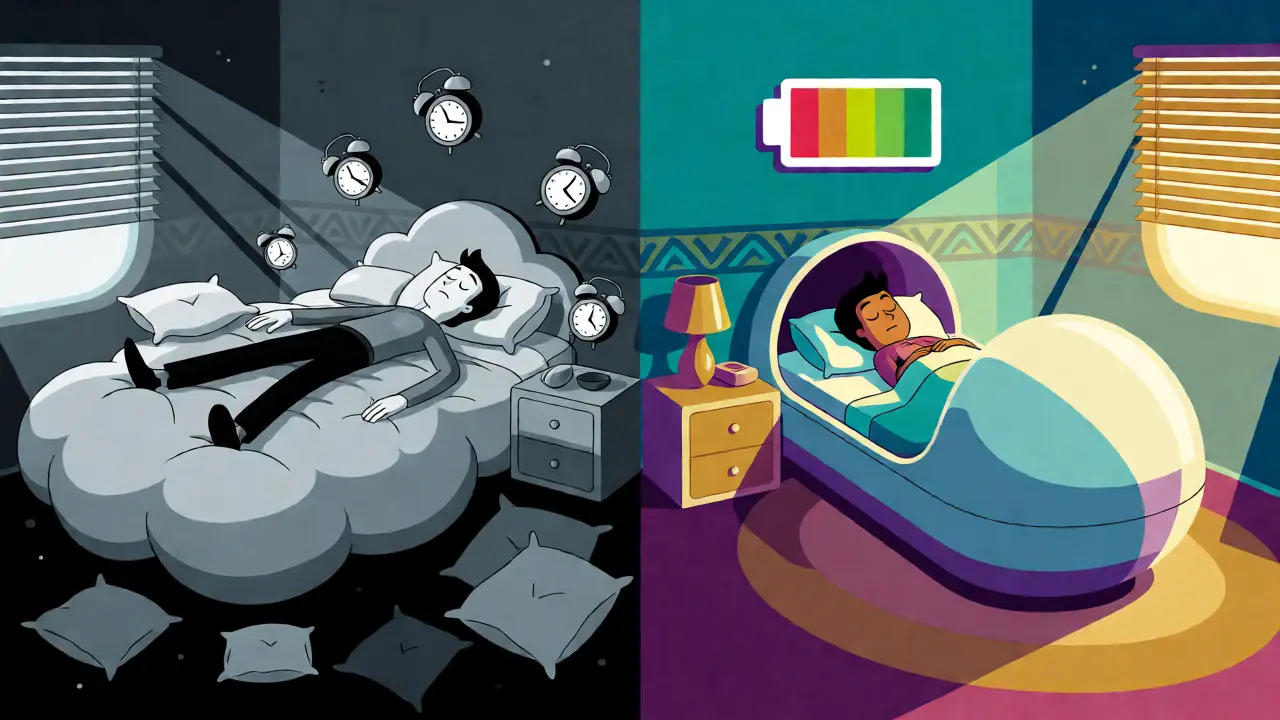
The goal isn’t to deprive you of sleep permanently. It’s to consolidate your sleep. Instead of fragmented, light sleep spread over ten hours in bed, SRT aims for seven or eight hours of deep, continuous sleep within a shorter window. Once sleep efficiency (the percentage of time in bed spent actually sleeping) improves, you gradually expand the time in bed again.
How to Start: Calculating Your Baseline
You can’t just guess your sleep time. To start SRT correctly, you need data. For one full week, keep a detailed sleep diary. Record what time you go to bed, estimate how long it takes to fall asleep, note any awakenings, and record your final wake-up time. Do not nap during this week.
After seven days, calculate your average Total Sleep Time (TST). Let’s say you went to bed at 10:00 PM and got up at 6:00 AM (8 hours in bed), but you only actually slept for 5 hours and 30 minutes. Your initial prescription for time in bed would be 5 hours and 30 minutes. Most protocols set a minimum floor of 5 hours, even if your calculated average is lower, to prevent excessive daytime impairment.
| Day | Bedtime | Wake Time | Time in Bed (Hours) | Actual Sleep (Hours) | Sleep Efficiency (%) |
|---|---|---|---|---|---|
| Mon | 22:00 | 06:00 | 8.0 | 5.5 | 69% |
| Tue | 22:30 | 06:00 | 7.5 | 5.0 | 67% |
| Wed | 22:00 | 06:00 | 8.0 | 6.0 | 75% |
| Thu | 23:00 | 06:00 | 7.0 | 4.5 | 64% |
| Fri | 22:00 | 06:00 | 8.0 | 5.5 | 69% |
| Sat | 23:30 | 06:00 | 6.5 | 5.0 | 77% |
| Sun | 22:00 | 06:00 | 8.0 | 6.0 | 75% |
| Average Actual Sleep | 5.4 Hours | 71% | |||
In this example, the new bedtime would be calculated by working backward from the fixed wake time. If you must wake up at 6:00 AM for work, and your allowed time in bed is 5.5 hours, your new bedtime is 12:30 AM. You are not allowed to go to bed before 12:30 AM, no matter how tired you feel.
The Adjustment Phase: When to Expand Your Window
This is where discipline matters. Every morning, check your sleep efficiency. If it reaches 85% to 90% for three consecutive nights, you add 15 to 30 minutes to your time in bed. Usually, you add this time to the front of the night, meaning you go to bed earlier, keeping the wake time constant.
If your sleep efficiency drops below 85%, you reduce the time in bed by 15 minutes. If it stays between 85% and 90%, you maintain the current schedule. The process repeats weekly until you reach a time in bed that supports 7 to 8 hours of quality sleep, or until you hit your desired sleep duration.
It’s crucial to keep your wake time consistent, even on weekends. Sleeping in on Saturday disrupts the circadian rhythm and undoes the sleep pressure built up during the week. Users often report that the first two weeks are tough. Daytime fatigue is common, reported by 68% of participants in early stages. However, most find that their ability to focus improves after this initial adjustment period as sleep becomes more consolidated.
Sleep Restriction vs. Other Treatments
How does SRT stack up against pills or simple advice like "avoid caffeine"? The data is compelling. A 2023 meta-analysis showed that SRT, as part of CBT-I, improved sleep efficiency by 47% more than sleep hygiene education alone. While benzodiazepines (like Xanax or Valium) might help you fall asleep quickly, they often lead to rebound insomnia when stopped and don’t address the underlying behavioral issues.
Consider this comparison:
- Medication: Fast acting, but high relapse rate (only 32% sustained improvement at 6 months). Can cause grogginess and dependency.
- Sleep Hygiene Alone: Low efficacy. Helpful for maintenance but rarely fixes established chronic insomnia.
- Sleep Restriction Therapy: Slower start (takes 1-2 weeks to adjust), but high durability (78% sustained improvement at 6 months). No side effects other than temporary fatigue.
Dr. Rachel Salas from Johns Hopkins University emphasizes that SRT is often the first line of defense because its impact on sleep consolidation is immediate once the protocol is followed correctly. Unlike melatonin, which might shave off 12-18 minutes from sleep onset latency, SRT fundamentally restructures the relationship between bed and sleep.
Common Pitfalls and How to Avoid Them
Many people fail with SRT not because the therapy doesn’t work, but because they cheat the system. The most common mistake is napping. Even a 20-minute nap can release the accumulated sleep pressure, making it harder to fall asleep at night. If you absolutely must nap, keep it under 20 minutes and before 3:00 PM, but ideally, avoid them entirely during the restriction phase.
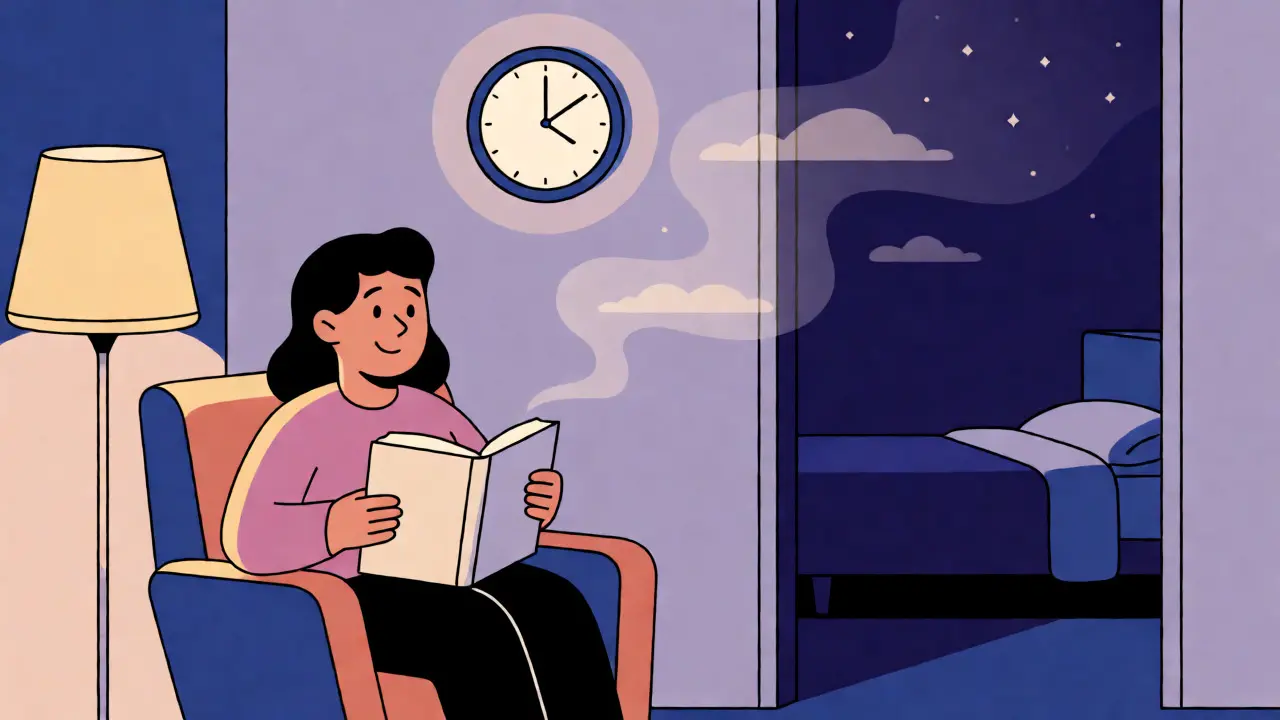
Another pitfall is extending time in bed on weekends. If you restrict yourself to 6 hours during the week but stay in bed for 9 hours on Sunday, you reset the clock. Consistency is non-negotiable. Also, beware of "bedxiety." As you restrict time, anxiety about missing the limited sleep window can spike. Pairing SRT with Stimulus Control Therapy helps here: if you haven’t fallen asleep within 20 minutes, get out of bed and do something boring until you are sleepy again. This reinforces the rule that bed equals sleep, not worry.
For those with comorbid conditions like severe depression or bipolar disorder, consult a healthcare provider before starting. Dr. Michael Grandner from the University of Arizona warns that SRT requires careful implementation in patients with high anxiety, as the initial sleep deprivation can exacerbate mood symptoms. In these cases, it’s best used alongside cognitive therapy components.
Digital Tools and Professional Support
You can do SRT on your own using a notebook and an alarm clock, but digital aids have made it easier. Apps like Somryst (FDA-cleared) or CBT-i Coach provide automated calculations and reminders. A 2023 evaluation by the VA Health System found that 72% of users were satisfied with digital CBT-I tools. These apps track your diary entries and automatically suggest adjustments to your bedtime, removing the math burden.
If self-guided attempts fail, seeking a CBT-I certified clinician is wise. There are approximately 1,200 such providers in the US, though availability varies globally. Insurance coverage for CBT-I is still patchy, with only 12 states mandating coverage as of 2024. However, many employers now offer wellness programs that include CBT-I access, recognizing that better sleep boosts productivity and reduces healthcare costs.
Is Sleep Restriction Therapy safe for everyone?
While generally safe, SRT causes temporary daytime sleepiness. It is contraindicated for individuals who operate heavy machinery, drive commercial vehicles, or have untreated bipolar disorder without medical supervision. Always consult a doctor if you have complex health issues.
How long does it take to see results?
Most people notice improvements in sleep onset latency (falling asleep faster) within the first week. Significant improvements in overall sleep efficiency and duration typically occur within 4 to 6 weeks of consistent practice.
Can I drink alcohol while doing Sleep Restriction Therapy?
Alcohol fragments sleep and suppresses REM cycles, which can distort your sleep diary data and undermine the effectiveness of SRT. It is best to limit or avoid alcohol, especially in the evening, during the active phase of therapy.
What if I can't fall asleep during my restricted window?
This is why SRT is paired with Stimulus Control. If you are awake for more than 20 minutes, leave the bedroom. Go to another room and engage in a quiet activity (like reading a dull book) in dim light. Return to bed only when you feel sleepy. This prevents the bed from becoming a place of frustration.
Do I have to keep restricting my sleep forever?
No. SRT is a tool to reset your patterns. Once your sleep efficiency is consistently above 90% and you are getting your desired amount of sleep, you can gradually expand your time in bed back to a normal range (e.g., 8 hours) while maintaining good sleep habits.
Joshua Cole
September 6, 2026 AT 00:19Big Pharma hates this because it doesn't require a prescription.
William Hooke
September 6, 2026 AT 01:18This is huge for anyone struggling!! 🌟 I did this and it literally saved my life. You just gotta trust the process even when you're tired as hell during the day. 💪🛌✨
Aditya Tiwari
September 6, 2026 AT 20:03Only in America do they think restricting sleep is a "therapy" instead of common sense!!! We Indians have been sleeping less for centuries due to work culture, yet we don't need fancy apps to tell us what's wrong!!! It is about discipline, not medicalization of laziness!!!
Emma Garub
September 8, 2026 AT 13:49The distinction between Total Sleep Time (TST) and Time in Bed (TIB) is critical here. Many patients conflate the two, leading to incorrect baseline calculations. Furthermore, the contraindication for bipolar disorder is often overlooked; the initial sleep deprivation phase can precipitate manic episodes if not monitored by a psychiatrist alongside the CBT-I protocol.
Laura Banuelos
September 10, 2026 AT 10:42omg yes!! i tried this last year and was so scared to go to bed late but it worked!! 🥺 now i actually fall asleep fast instead of staring at the wall for hours. ty for sharing!! ❤️
Christopher Ornelas
September 10, 2026 AT 13:06You are missing the obvious variable: screen time. Blue light exposure before bed suppresses melatonin production more effectively than any behavioral restriction. If you aren't fixing your lighting environment first, SRT is just suffering with extra steps. Also, most people underestimate their sleep debt from years of poor habits, so a one-week diary is insufficient data.
Elizabeth Lucero
September 12, 2026 AT 00:41It’s amusing how everyone latches onto the latest wellness trend without understanding the physiology. This isn't new; it’s basic operant conditioning applied to circadian rhythms. The real issue is that modern society has destroyed our natural zeitgebers, making simple hygiene impossible. But sure, let’s blame individual behavior rather than structural environmental failures.
Jack Lanham
September 13, 2026 AT 01:09I tried this once, oh God, I tried this once... and let me tell you, the first three nights were absolute torture, pure unadulterated agony where every second felt like an hour and my brain was screaming at me to just take a pill, but I held out, I held on through the fog and the fatigue and the sheer existential dread of knowing I had to wake up at 6 AM no matter what happened, and guess what? It didn't work for me immediately, it took weeks, and I nearly quit twice, but eventually, something clicked, or maybe I just gave up fighting it, who knows, but now I sleep okayish, which is better than the nightmare I was living in, so thanks I guess???
Camryn Matis
September 15, 2026 AT 00:06Exactly right, Emma! The comorbidity check is vital. Also, I've found that pairing SRT with mindfulness-based stress reduction helps mitigate the "bedxiety" mentioned in the article. It’s not just about time restriction, it’s about changing the emotional valence of the bedroom. :)
We should also emphasize that consistency beats perfection. One bad night doesn’t reset the whole week.
Taylor Tomita
September 15, 2026 AT 07:52As someone who has guided many patients through this, I want to add that the "minimum floor" of 5 hours is crucial. Going below that often leads to cognitive impairment that makes adherence difficult. Also, digital tools are great, but human accountability from a therapist usually yields better long-term compliance rates.
michael colasi
September 16, 2026 AT 02:26In Italy, we believe in the power of the afternoon nap, or *pisolino*, but even we know that timing is everything! 😴🇮🇹 Restricting sleep can feel harsh, but building that pressure is key. Just remember, good food and good rest go hand in hand! 🍝💤
P.m P.m
September 17, 2026 AT 02:05Sleep is a social construct designed to keep workers compliant. If you restrict sleep, you are merely optimizing your labor output for capital. The body does not care about your "efficiency percentage," it cares about survival. Stop measuring your unconsciousness with spreadsheets.
Ste Gomez
September 17, 2026 AT 11:46While the methodology is sound, the article glosses over the importance of light therapy as an adjunct. Without anchoring the circadian rhythm with bright morning light, SRT alone often results in delayed sleep phase syndrome. Do not neglect the photic input.
Sophia Calimbahin
September 19, 2026 AT 00:24Finally some real talk. Stop coddling insomniacs with naps and soft schedules. Get up, stay up, crash hard. That’s how Americans used to do it before we got weak. Discipline > Comfort. Period.