
SGLT2 Inhibitors for Type 2 Diabetes: Real Benefits, Hidden Risks, and What to Watch For
 Jun, 12 2026
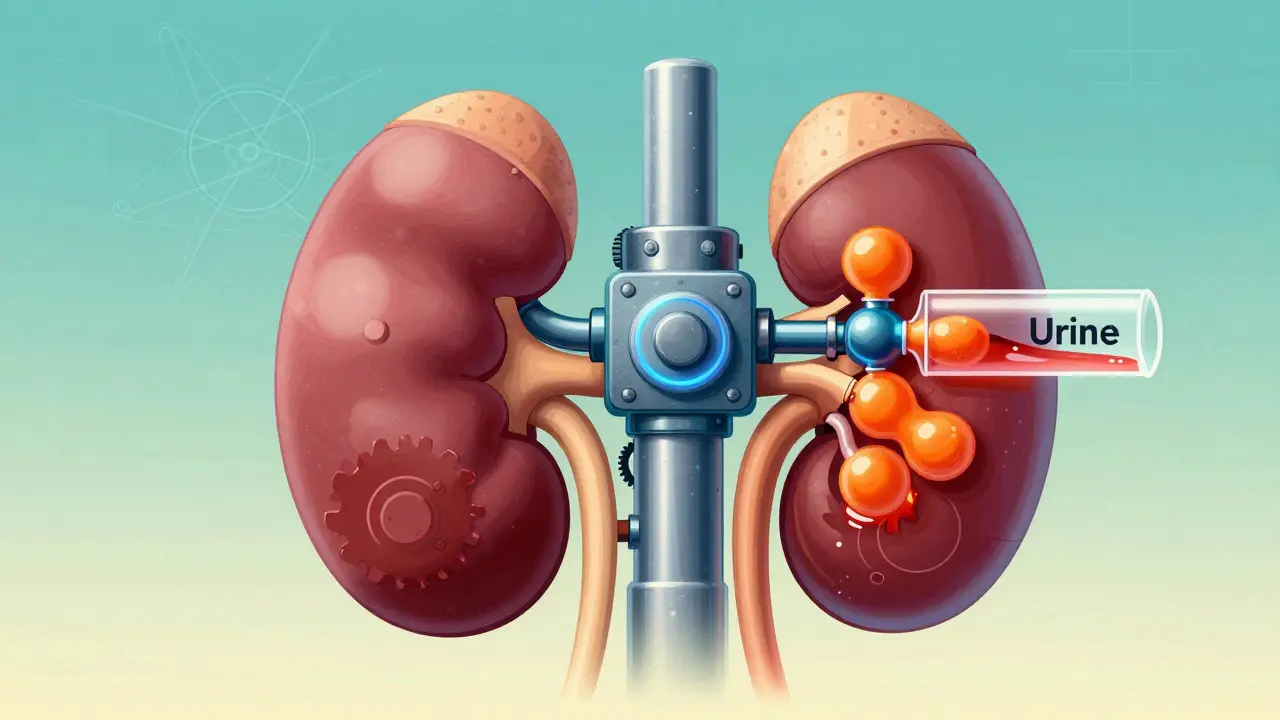
You might have heard that SGLT2 inhibitors are a class of oral medications that lower blood sugar by helping your kidneys flush excess glucose out through urine. Also known as gliflozins, these drugs include popular brands like Jardiance, Farxiga, Invokana, and Steglatro. They’ve become a cornerstone in treating type 2 diabetes, but they’re not just about lowering numbers on a lab report. Recent studies show they can protect your heart and kidneys, which is huge news for anyone managing this condition. However, like all powerful medicines, they come with specific risks you need to understand before starting treatment.
If you’re considering adding one of these drugs to your routine, or if your doctor has already prescribed one, it’s vital to know exactly how they work, who benefits the most, and what side effects could derail your progress. This guide breaks down the science into plain English so you can make informed decisions about your health.
How SGLT2 Inhibitors Actually Work
To understand why these drugs are effective, you first need to look at how your kidneys handle sugar. Normally, your kidneys filter waste from your blood and reabsorb useful nutrients, including glucose, back into your bloodstream. Think of it like a sieve that catches everything valuable. The protein responsible for catching glucose is called sodium-glucose cotransporter-2 (SGLT2).
SGLT2 inhibitors block this transporter. When you take the pill, it stops your kidneys from reabsorbing glucose. Instead, that sugar gets flushed out in your urine. On average, this process removes between 40 to 100 grams of glucose per day. That’s roughly equivalent to losing the sugar content of two cans of soda every single day without even thinking about it.
This mechanism is unique because it doesn’t rely on insulin production or sensitivity, which is how many other diabetes drugs work. It’s a mechanical solution to a metabolic problem. Because it works independently of insulin, the risk of hypoglycemia (dangerously low blood sugar) is very low when used alone. You won’t experience those scary shakes or fainting spells associated with insulin shots or sulfonylureas unless you combine them with those other medications.
The Big Wins: Heart and Kidney Protection
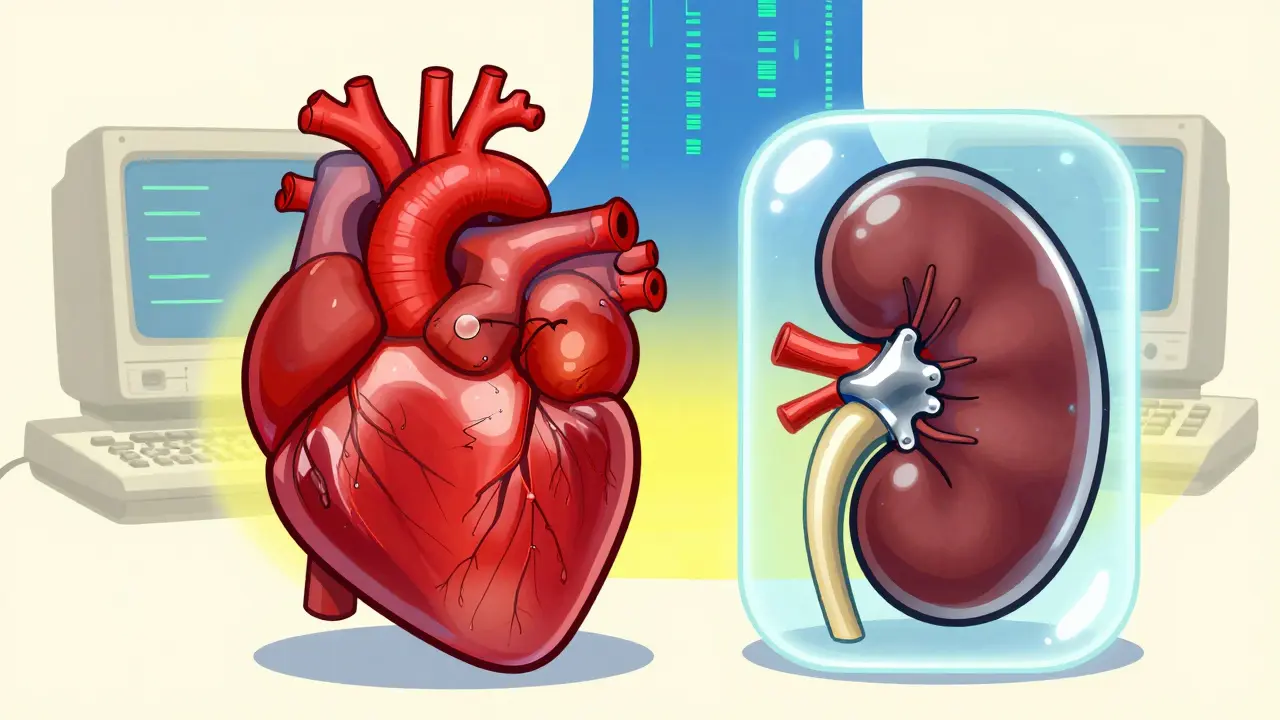
While lowering HbA1c (average blood sugar) by 0.5% to 1.0% is helpful, the real revolution with SGLT2 inhibitors lies in organ protection. Large clinical trials involving tens of thousands of patients have changed the medical consensus. These drugs are no longer just for blood sugar control; they are now recommended as first-line therapy for people with established cardiovascular disease or chronic kidney disease.
| Drug Brand | Generic Name | Heart Failure Risk Reduction | Kidney Disease Progression Risk Reduction |
|---|---|---|---|
| Jardiance | Empagliflozin | 36% reduction in hospitalization | 28% reduction in worsening kidney function |
| Farxiga | Dapagliflozin | 26% reduction in cardiovascular death/hospitalization | 39% reduction in kidney failure/cardiovascular death |
| Invokana | Canagliflozin | 14% reduction in major adverse cardiovascular events | 30% reduction in end-stage kidney disease |
For example, the EMPA-REG OUTCOME trial showed that empagliflozin reduced the risk of dying from cardiovascular causes by 38%. Similarly, the DAPA-HF trial proved that dapagliflozin significantly reduced heart failure hospitalizations regardless of whether the patient had diabetes or not. This means if you have a weak heart pump (low ejection fraction), this drug acts almost like a diuretic, reducing fluid overload and strain on the heart muscle.
Kidney protection is equally impressive. The CREDENCE trial demonstrated that canagliflozin slowed the progression of diabetic kidney disease by 30%. For patients facing dialysis or transplant, this delay can mean years of better quality life. If you have albumin in your urine (a sign of kidney stress), your doctor will likely prioritize an SGLT2 inhibitor over older medications.
Common Side Effects: The Uncomfortable Truths
No medicine is perfect, and SGLT2 inhibitors have a distinct side effect profile that stems directly from their mechanism. Since you are excreting more sugar and water, certain issues arise.
- Genital Yeast Infections: Sugar feeds yeast. With more glucose in your urine, the area around your genitals becomes a breeding ground for fungi. Men may develop balanitis (inflammation of the penis head), while women often suffer from recurrent vaginal candidiasis. Studies show infection rates jump from 1-2% with placebo to 5-10% with these drugs. Good hygiene and staying dry are crucial preventative measures.
- Urinary Tract Infections (UTIs): Similar to yeast infections, the sugary environment can encourage bacterial growth. While the increase in UTI risk is modest compared to yeast infections, symptoms like burning during urination or frequent urges require immediate attention.
- Dehydration and Low Blood Pressure: These drugs act as mild diuretics. You’ll pee more, which can lead to volume depletion. This is especially risky for elderly patients or those already taking water pills (loop diuretics). Symptoms include dizziness, lightheadedness, and fatigue. Drinking plenty of water throughout the day helps mitigate this.
- Weight Loss: While often listed as a benefit, some patients find the weight loss too rapid or accompanied by excessive thirst. Losing 2-3 kg (4-6 lbs) in the first few months is typical due to calorie loss via urine.
Rare but Serious Risks: Euglycemic Ketoacidosis
The most dangerous risk associated with SGLT2 inhibitors is diabetic ketoacidosis (DKA). Traditionally, DKA only happened in Type 1 diabetes when there was zero insulin, causing blood sugar to skyrocket. However, with SGLT2 inhibitors, a rare condition called euglycemic DKA can occur. Your blood sugar levels remain normal or only slightly elevated, masking the danger.
Why does this happen? Because the body is flushing out glucose, it starts breaking down fat for energy instead. This produces ketones, acidic chemicals that can build up to toxic levels in the blood. Symptoms include nausea, vomiting, abdominal pain, deep rapid breathing, and extreme fatigue. If you feel flu-like symptoms but your glucose meter reads fine, check your ketone levels immediately using a urine strip or blood ketone meter. Seek emergency care if ketones are high.
This risk increases during times of stress on the body, such as surgery, severe illness, fasting, or heavy alcohol consumption. Doctors often advise pausing the medication for 3-4 days before any scheduled surgery to prevent this complication.
Who Should Avoid These Drugs?
Not everyone is a candidate for SGLT2 inhibitors. Here are the key groups who should be cautious or avoid them entirely:
- Type 1 Diabetics: Due to the high risk of euglycemic DKA, these drugs are generally contraindicated for Type 1 diabetes unless under extremely specialized supervision.
- Severe Kidney Impairment: If your estimated glomerular filtration rate (eGFR) is below 30 mL/min/1.73m², the drug won’t work effectively because there isn’t enough kidney function left to filter glucose. However, recent FDA approvals allow use in chronic kidney disease down to eGFR 25 for heart/kidney protection, so talk to your specialist.
- History of Amputations: Canagliflozin (Invokana) carries a warning regarding lower limb amputation risk, particularly in patients with peripheral artery disease or prior foot complications. Other agents in the class have shown less risk, but caution is advised.
- Pregnant Women: There is insufficient data on safety during pregnancy, and animal studies have shown potential harm. Most doctors recommend stopping SGLT2 inhibitors before conception or upon discovering pregnancy.

Cost and Accessibility in 2026
One of the biggest barriers to getting the best care is cost. As of early 2026, brand-name SGLT2 inhibitors remain expensive. A 30-day supply of Jardiance can retail for over $600 without insurance. Farxiga and Invokana are similarly priced. However, competition is heating up. Generic versions are expected to hit the market starting in 2027 for some formulations, which should drive prices down significantly.
In the UK, where I live, these medications are available on the NHS if you meet specific criteria, such as having heart failure or chronic kidney disease alongside diabetes. In the US, patient assistance programs from manufacturers like Boehringer Ingelheim (Jardiance) and AstraZeneca (Farxiga) can reduce out-of-pocket costs to $25-$100 per month for eligible individuals. Always ask your pharmacist about coupon cards or manufacturer support before paying full price.
Practical Tips for Starting Treatment
If your doctor prescribes an SGLT2 inhibitor, follow these steps to maximize benefits and minimize risks:
- Hydrate Aggressively: Drink water consistently throughout the day, especially in hot weather or if you exercise. Don’t wait until you’re thirsty.
- Maintain Hygiene: Wash the genital area daily with mild soap and water. Dry thoroughly. Wear breathable cotton underwear.
- Monitor Ketones During Illness: Keep ketone test strips at home. If you get sick with a fever, vomiting, or diarrhea, stop the medication and test for ketones.
- Inform Surgeons: Tell any surgeon or dentist that you are taking an SGLT2 inhibitor. They will likely tell you to hold the dose for several days before the procedure.
- Watch for "Flagstone" Skin Issues: Rarely, Fournier’s gangrene (a serious skin infection) can occur. If you notice redness, swelling, or pain in the groin area, seek medical help immediately.
Can I drink alcohol while taking SGLT2 inhibitors?
You should limit alcohol intake. Alcohol can increase the risk of dehydration and may contribute to euglycemic ketoacidosis, especially if you binge drink. Moderate consumption with food is generally safer, but discuss your specific limits with your doctor.
Do SGLT2 inhibitors cause weight gain?
No, they typically cause modest weight loss. By excreting calories in the form of glucose, most patients lose 2-4 kg (4-9 lbs) in the first year. This makes them attractive options for patients struggling with obesity-related diabetes.
Which SGLT2 inhibitor is best for heart failure?
Both Empagliflozin (Jardiance) and Dapagliflozin (Farxiga) have strong Class 1 recommendations for heart failure with reduced ejection fraction. Recent data also supports their use in preserved ejection fraction. The choice often depends on insurance coverage and individual patient response.
Will my kidney function drop when I start the medication?
It is common to see a small, temporary dip in eGFR during the first few weeks. This is usually hemodynamic (related to blood flow changes) and stabilizes quickly. Long-term, these drugs slow the decline of kidney function significantly compared to standard care.
Can I take SGLT2 inhibitors with Metformin?
Yes, this is a very common combination. Metformin works primarily in the liver and intestines, while SGLT2 inhibitors work in the kidneys. They complement each other well without increasing the risk of low blood sugar.