
Selegiline Transdermal (EMSAM) and Serotonergic Drugs: Avoiding Dangerous Interactions
 Jul, 19 2026
Selegiline Transdermal Interaction Checker
Imagine you are taking a medication for depression that bypasses your digestive system entirely. It sounds convenient, right? But what if combining this patch with a common cough suppressant or another antidepressant could trigger a medical emergency? This is the reality for patients using Selegiline transdermal, commonly known by the brand name EMSAM. While it offers a unique way to treat major depressive disorder without the strict dietary rules of older drugs, it carries a hidden danger: serotonin syndrome.
This condition is not just a mild side effect; it is a potentially life-threatening reaction caused by too much serotonin in the brain. Understanding how to avoid dangerous interactions between selegiline patches and other serotonergic drugs is crucial for anyone prescribed this treatment. Let’s break down exactly what you need to know to stay safe.
How Selegiline Transdermal Works Differently
To understand the risk, we first need to look at how the drug works. Selegiline belongs to a class of medications called monoamine oxidase inhibitors (MAOIs). These drugs work by blocking enzymes that break down neurotransmitters like serotonin, norepinephrine, and dopamine. More neurotransmitters mean better mood regulation for many people.
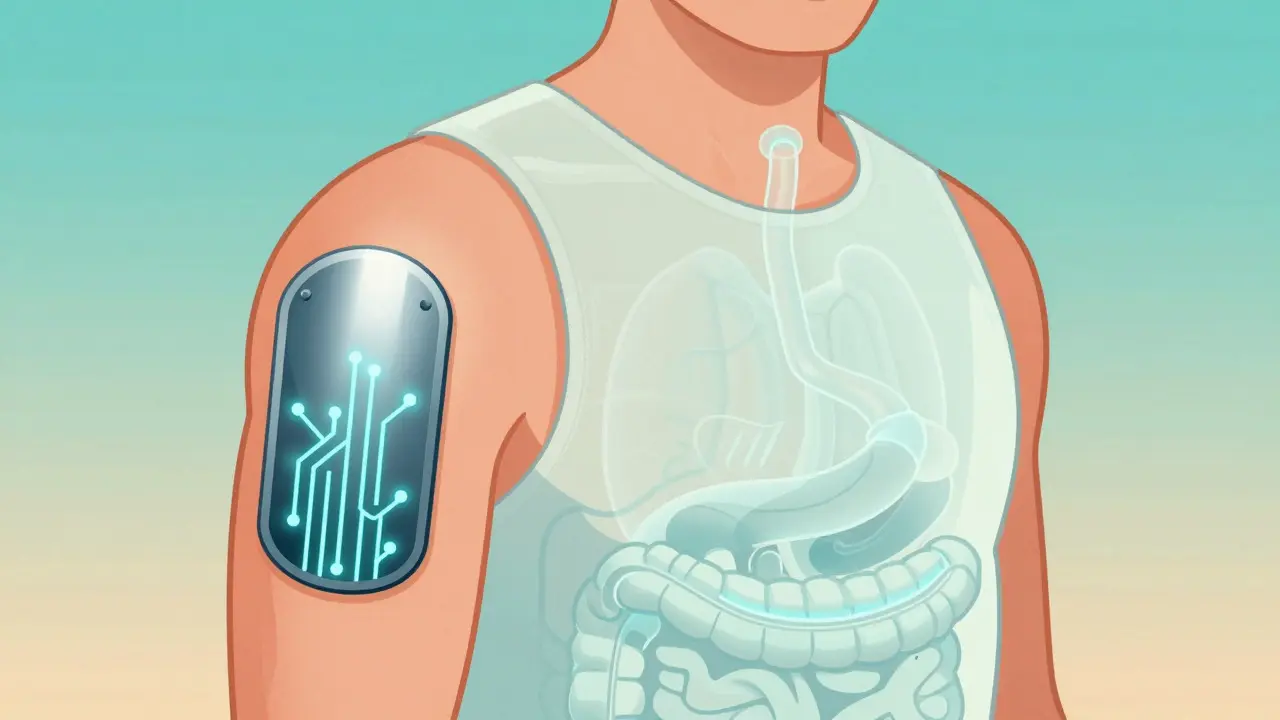
The twist with the transdermal patch is delivery. When you take oral MAOIs, they block enzyme activity throughout your entire body, including your gut. This leads to the famous "cheese effect," where eating aged cheeses causes dangerous blood pressure spikes. The patch, however, delivers the drug directly into your bloodstream, bypassing the liver and gut initially.
| Dose (mg/24 hours) | MAO-B Inhibition | MAO-A Inhibition | Dietary Restrictions |
|---|---|---|---|
| 6 mg | Selective | Minimal peripheral inhibition | None required |
| 9 mg | Non-selective | Significant central and peripheral | Required |
| 12 mg | Non-selective | Significant central and peripheral | Required |
At the lowest dose of 6 mg per day, the patch selectively inhibits MAO-B in the brain while sparing MAO-A in the gut. This is why you don’t have to worry about your diet at this level. However, as soon as you increase the dose to 9 mg or 12 mg, the drug starts inhibiting MAO-A everywhere. This shift drastically changes your interaction risks.
The Danger Zone: Serotonin Syndrome
Here is the core problem. Even at the 6 mg dose, selegiline affects serotonin levels in your central nervous system. If you add another drug that also boosts serotonin, you can overwhelm your brain’s ability to regulate these chemicals. This overload is called serotonin syndrome.
Symptoms usually appear quickly, often within 72 hours of starting the new combination. They can range from mild agitation to severe muscle rigidity, high fever, rapid heart rate, and even coma. A study published in the *Journal of Clinical Psychiatry* documented cases where patients required ICU admission after combining transdermal selegiline with standard antidepressants. The key takeaway? You cannot mix these drugs casually.
Drugs to Avoid Completely
You might think only prescription antidepressants are risky, but the list of contraindicated substances is surprisingly long. The FDA label for EMSAM explicitly warns against using it with any of the following:
- SSRIs: Selective serotonin reuptake inhibitors like fluoxetine (Prozac), sertraline (Zoloft), and escitalopram (Lexapro).
- SNRIs: Serotonin-norepinephrine reuptake inhibitors such as venlafaxine (Effexor) and duloxetine (Cymbalta).
- TCAs: Tricyclic antidepressants like amitriptyline and nortriptyline.
- Triptans: Migraine medications like sumatriptan (Imitran).
- Opioids: Specifically tramadol and meperidine.
- Cough Suppressants: Dextromethorphan, found in many over-the-counter cold medicines.
- Herbal Supplements: St. John’s Wort and tryptophan.
- Other MAOIs: Including linezolid (an antibiotic) and intravenous methylene blue.
Even short-acting drugs like ondansetron (used for nausea) have triggered severe reactions when combined with higher doses of the patch. Always check the active ingredients in every pill, liquid, or supplement you take.
Mastering the Washout Periods
If you are switching from one medication to another, timing is everything. You cannot simply stop one drug and start the next the next day. Your body needs time to clear the old medication and regenerate the enzymes blocked by selegiline.
The FDA recommends specific washout periods to ensure safety:
- Stopping Selegiline Patch: Wait at least 14 days before starting an SSRI, SNRI, or other serotonergic agent.
- Starting Selegiline Patch: If you were previously on most serotonergic drugs, wait 14 days after stopping them before applying the first patch.
- The Fluoxetine Exception: Fluoxetine has a very long half-life. You must wait 5 weeks after stopping fluoxetine before starting the selegiline patch. Conversely, if you are switching from the patch to fluoxetine, still wait 14 days after removing the patch.
Recent guidelines from the *American Journal of Psychiatry* (2023) suggest extending this window to 21 days for extra safety, noting that enzyme recovery can sometimes take up to 28 days. When in doubt, longer is safer.
Practical Steps for Safe Management
Avoiding these interactions requires proactive habits. Here is how you can manage your treatment safely:
- Full Medication Reconciliation: Bring a complete list of all prescriptions, over-the-counter drugs, and supplements to every doctor’s visit. Don’t forget vitamins and herbal teas.
- Use the 5 'T's Mnemonic: Remember Timing (last dose), Types (of meds), Testing (for symptoms), Transition (planning), and Telephone (emergency contact).
- Check EHR Alerts: While electronic health records help, studies show they miss nearly 60% of critical MAOI interactions. Always double-check with your pharmacist.
- Know the Symptoms: Learn to recognize early signs of serotonin syndrome, such as shivering, diarrhea, confusion, and muscle twitching. Seek immediate care if these occur.
Many patients report receiving inadequate warnings about these risks. One survey found that nearly 70% of users felt unprepared for potential drug interactions. Take charge of your own education. Ask your prescriber specifically about every new medication you are considering.
Frequently Asked Questions
Can I take ibuprofen with selegiline transdermal?
Yes, generally. Ibuprofen is a non-steroidal anti-inflammatory drug (NSAID) and does not significantly affect serotonin levels. However, always consult your doctor before adding any new medication, as individual health conditions may vary.
Does the 6 mg dose have no drug interactions?
No, that is a common misconception. While the 6 mg dose avoids dietary restrictions because it spares gut enzymes, it still inhibits MAO-A in the brain. Therefore, it still carries a significant risk of serotonin syndrome if combined with other serotonergic drugs.
How long does it take for the patch to leave my system?
The drug itself has a short half-life of about 1.4 hours, but its effects last much longer. Because MAO inhibition is irreversible, your body must synthesize new enzymes. This process typically takes 14 to 28 days, which is why the recommended washout period is so long.
What should I do if I accidentally take a prohibited drug?
Seek medical attention immediately. Do not wait for symptoms to appear. Call your doctor, go to the nearest emergency room, or contact poison control. Be prepared to tell them exactly what you took, when you took it, and your current selegiline dosage.
Are there natural supplements that interact with EMSAM?
Yes. St. John’s Wort is a well-known serotonergic herb that can trigger serotonin syndrome when combined with MAOIs. Tryptophan and 5-HTP supplements also pose risks. Always disclose herbal supplement use to your healthcare provider.
Tony Malvagna
July 21, 2026 AT 12:07man this is scary stuff. i always thought the patch was safer than pills because it bypasses the gut but reading about serotonin syndrome makes me wanna double check every single thing i put in my mouth. thanks for breaking down the washout periods tho, that 5 week rule for prozac is wild.
Jasmine Agito
July 22, 2026 AT 14:11The distinction between MAO-A and MAO-B inhibition based on dosage is critical here. Many patients assume that because they are on the lowest dose of 6 mg, they are immune to drug interactions. This is a dangerous misconception. The patch still inhibits MAO-A in the central nervous system at all doses, meaning the risk of serotonin syndrome remains high if combined with other serotonergic agents. It is not just about the 'cheese effect' or peripheral blood pressure spikes; it is about neurochemical overload in the brain. Pharmacists need to be more aggressive in counseling patients on this specific nuance rather than just handing them the generic leaflet. I have seen too many close calls where patients added OTC cold meds without realizing dextromethorphan is a potent serotonin reuptake inhibitor itself. Education is the only real safety net here since EHR alerts are notoriously unreliable for these complex interactions.
Jamie Rogers
July 22, 2026 AT 17:29HOLY COW! Did you see that part about St. John's Wort?! I literally had a friend who started taking that for her mood while on antidepressants and ended up in the ER. People really need to stop treating herbal supplements like they are harmless candy. They are potent drugs with real chemical effects. This post is a lifesaver, seriously. Sharing this with everyone I know who deals with mental health meds.
Angie Lara
July 24, 2026 AT 12:47i wish doctors would explain this better when they prescribe it. most people just want to feel better and dont read the fine print. its so easy to forget that vitamins count as meds too. good info here though.
Patrick Meyer
July 25, 2026 AT 12:15Look, if you cant even manage your own med list maybe you shouldnt be on such a finicky drug. Its not the doctors fault patients are too stupid to read labels. Common sense dictates you ask before mixing things. But sure, blame the system instead of taking responsiblity for your own health decisions.
Jasmine Agito
July 26, 2026 AT 20:51While personal responsibility is important, the complexity of pharmacokinetics regarding irreversible enzyme inhibition is not common knowledge for the general public. The half-life of the drug is short, but the functional recovery of monoamine oxidase enzymes takes weeks. This biological reality is counter-intuitive to most laypeople who expect effects to wear off quickly after stopping a medication. Furthermore, the reliance on Electronic Health Records is flawed as noted in the text, missing nearly 60% of critical interactions. It is a systemic failure to rely solely on patient vigilance when the clinical infrastructure has known gaps in alerting systems. Empathy and clear communication from providers bridge this gap far better than assigning blame.
Andrew Donovan
July 28, 2026 AT 09:42Absolutely fascinating breakdown of the enzymatic mechanics. The way the transdermal route alters the peripheral versus central inhibition profile is a brilliant example of how delivery methods can fundamentally change a drug's safety landscape. It reminds one of the philosophical concept of context defining essence. The patch is not merely a vehicle for selegiline; it is a distinct therapeutic entity with its own rules. We must respect the biology. The washout period is not arbitrary bureaucracy; it is the time required for the body to rebuild its regulatory scaffolding. A beautiful reminder of the delicate balance within our neural chemistry.
Ambarish Pal
July 29, 2026 AT 08:26Oh please, spare me the dramatic warnings. Serotonin syndrome is incredibly rare in clinical practice despite what the pharmaceutical industry wants you to believe. Most people take these patches and live perfectly normal lives without turning into a twitching mess. The FDA exaggerates risks to cover their liability backsides. If you mix two random drugs and die, yeah that's bad, but telling people they need a 5-week wait for fluoxetine is pure fear-mongering. Doctors overprescribe caution because they are terrified of lawsuits, not because the science demands such extreme isolation from other medications. Relax, folks. Your body isn't that fragile.