
Managing Psoriasis: Skin Care Routines and Systemic Therapy Options
 Jun, 23 2026
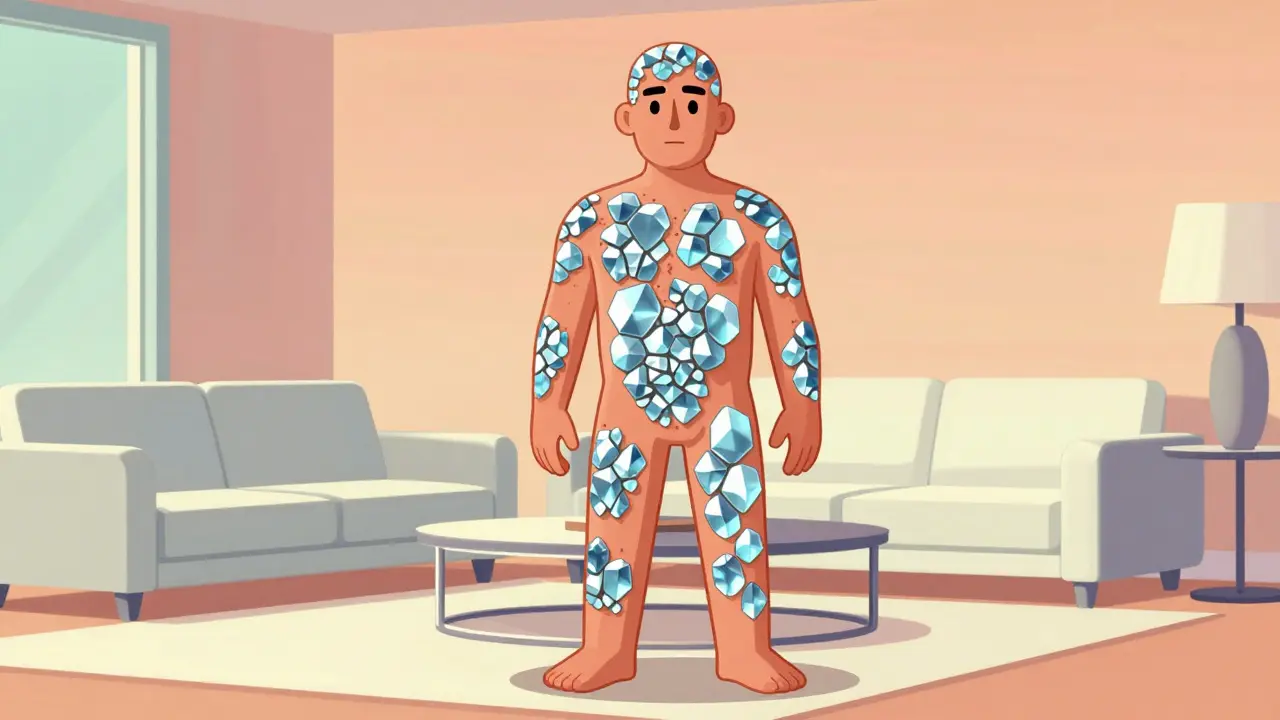
Psoriasis is not just a rash. It is a complex, immune-mediated disease that affects millions of people worldwide, causing red, scaly patches that can be painful, itchy, and deeply frustrating to manage. For many, the condition feels like a relentless cycle of flares and remission, impacting everything from daily comfort to social confidence. The good news is that while there is no cure, modern medicine offers powerful tools to control symptoms. From simple daily skin care habits to advanced systemic therapy, you have more options than ever to clear your skin and improve your quality of life.
Understanding What Drives Psoriasis
To manage psoriasis effectively, it helps to understand what is happening under the surface. Psoriasis is an autoimmune disorder where your immune system mistakenly attacks healthy skin cells. Normally, skin cells grow and shed over about 28 to 30 days. In psoriasis, this process speeds up dramatically, taking only 3 to 4 days. This rapid production causes cells to pile up on the skin’s surface, forming the characteristic thick, silvery scales and red plaques.
Genetics play a significant role, with heritability estimated between 60% and 90%. However, genes alone do not cause the disease. Triggers such as stress, infections, certain medications, and environmental factors often spark the initial flare or worsen existing symptoms. Recognizing these triggers is a crucial first step in long-term management.
Daily Skin Care: The Foundation of Management
Before jumping to prescription treatments, establishing a solid skin care routine is essential. This does not mean expensive products; it means consistent, gentle habits that protect your skin barrier and reduce irritation.
- Moisturize Daily: Apply thick, petrolatum-based emollients immediately after bathing. This locks in moisture and reduces itching. Look for ointments rather than lotions, as they are less likely to contain irritating alcohols or fragrances.
- Bathe Smartly: Take brief, lukewarm showers instead of hot baths. Hot water strips natural oils from the skin, worsening dryness and scaling. Use gentle, non-soap cleansers that do not foam excessively.
- Avoid Scratching: Scratching can trigger the Koebner phenomenon, where new psoriasis lesions form at sites of skin injury. Keep nails short and consider wearing cotton gloves at night if you scratch in your sleep.
- Identify Triggers: Keep a symptom journal. Note when flares occur and what was happening in your life-stress levels, diet changes, illness, or weather shifts. This data helps you and your doctor tailor your treatment plan.
Adherence to topical treatments often improves by 40% when routines are simplified. If you are using multiple creams, ask your doctor if you can consolidate them into fewer applications per day. Consistency matters more than complexity.
Topical Treatments: First-Line Defense
For mild to moderate psoriasis, topical therapies are usually the starting point. These medications are applied directly to the skin and work locally to reduce inflammation and slow cell growth.
| Treatment Type | How It Works | Key Considerations |
|---|---|---|
| Corticosteroids | Reduces inflammation and itching | Potent steroids should not be used continuously beyond 12 weeks without supervision due to risks of skin thinning. |
| Vitamin D Analogues | Slows skin cell growth | Often combined with steroids for better efficacy. Safe for long-term use on face and body folds. |
| Calcipotriol/Betamethasone | Combination therapy | Highly effective for plaque psoriasis. Many GPs prescribe this combination first for rapid improvement. |
| Coal Tar | Reduces scaling and itching | Older treatment with strong odor; less commonly used now but still available for specific cases. |
Special attention is needed for sensitive areas. Scalp psoriasis may require foams or shampoos containing salicylic acid to remove scales before medication can penetrate. Face and genital psoriasis need weaker steroids or non-steroidal options like tacrolimus to avoid skin damage. Always follow your dermatologist’s instructions regarding application frequency and duration.
Phototherapy: Light as Medicine
When topicals are not enough, phototherapy (light therapy) is a logical next step. This involves exposing the skin to controlled amounts of ultraviolet light under medical supervision.
Narrowband UVB is the most common type. It slows down the rapid growth of skin cells and reduces inflammation. Treatment typically requires visiting a clinic two to three times a week for 8 to 12 weeks. Many patients achieve 75% clearance with this method. While home UVB units are available, costing between $2,500 and $5,000 upfront, they require strict adherence to safety protocols to avoid burns and long-term skin damage. Consult your doctor before considering home phototherapy.
Systemic Therapy: Treating the Whole Body
For moderate to severe psoriasis, or when psoriasis affects joints (psoriatic arthritis), topical treatments and phototherapy may not suffice. This is where systemic therapy comes in. These medications work throughout the entire body to target the underlying immune dysfunction.
Traditional systemic drugs include:
- Methotrexate: Taken weekly, it suppresses the immune system. Requires regular blood tests to monitor liver function and blood counts.
- Cyclosporine: Fast-acting but usually limited to short-term use due to kidney and blood pressure risks.
- Acitretin: A retinoid derived from vitamin A. It is not recommended for women who are pregnant or planning pregnancy due to birth defect risks.
- Apremilast: An oral PDE4 inhibitor that modulates inflammation. It has fewer monitoring requirements than methotrexate but may cause nausea initially.
Biologics: Precision Targeting
The biggest advancement in psoriasis treatment in recent years is the rise of biologic therapies. These are injectable medications that target specific parts of the immune system involved in psoriasis, such as TNF-alpha, IL-17, or IL-23 pathways.
Biologics are highly effective, with many patients achieving near-complete skin clearance. However, they come with higher costs and require screening for infections like tuberculosis and hepatitis before starting. Administration is usually subcutaneous injection, which many patients learn to self-administer after a brief training session. Satisfaction rates among biologic users are high, around 82%, though cost remains a barrier for some, with out-of-pocket expenses varying widely based on insurance.
Addressing Comorbidities: Beyond the Skin
Psoriasis is a multisystem disease. Having psoriasis increases your risk for other health conditions, including cardiovascular disease, metabolic syndrome, depression, and psoriatic arthritis. Up to 30% of people with psoriasis develop psoriatic arthritis, which can cause joint pain and stiffness.
It is vital to have regular check-ups that go beyond skin assessment. Your healthcare provider should monitor:
- Blood pressure and cholesterol levels
- Body mass index (BMI) and signs of metabolic syndrome
- Mental health, screening for depression and anxiety
- Joint pain or swelling, especially in fingers, toes, and lower back
Managing these comorbidities is part of comprehensive psoriasis care. Lifestyle changes like quitting smoking, maintaining a healthy weight, and managing stress can significantly impact both your skin and overall health.
Living with Psoriasis: Practical Tips
Living with a chronic condition requires resilience and support. Here are some practical steps to help you navigate daily life:
- Join Support Groups: Connecting with others who understand your experience can reduce feelings of isolation. Online communities and local organizations offer valuable resources and emotional support.
- Communicate with Your Doctor: Be honest about what works and what doesn’t. If a treatment is too messy, too expensive, or causing side effects, speak up. There are always alternatives.
- Protect Your Mental Health: The psychological impact of visible skin disease is real. Consider counseling or mindfulness practices to manage stress and anxiety.
- Stay Informed: Psoriasis treatment evolves rapidly. New drugs and guidelines emerge regularly. Stay updated through reputable sources like the National Psoriasis Foundation or American Academy of Dermatology.
Remember, psoriasis management is a journey, not a race. Finding the right balance of skin care, medication, and lifestyle adjustments takes time. But with the right approach, you can control your symptoms and live a full, active life.
Is psoriasis contagious?
No, psoriasis is not contagious. You cannot catch it from touching someone with psoriasis or sharing personal items. It is an autoimmune disease driven by genetics and immune system dysfunction.
Can psoriasis be cured?
Currently, there is no cure for psoriasis. However, treatments can effectively manage symptoms and induce long periods of remission, allowing many patients to live with clear or nearly clear skin.
What are the side effects of biologic therapies?
Common side effects include injection site reactions, increased risk of infections, and headaches. Rare but serious risks include allergic reactions and potential interactions with other immune-suppressing conditions. Screening for infections is required before starting biologics.
How long does it take for psoriasis treatments to work?
Topical treatments may show improvement within weeks. Phototherapy typically takes 8-12 weeks. Biologics can start working within a few weeks, with maximum effect often seen after 3 months. Individual response varies.
Does diet affect psoriasis?
While no specific diet cures psoriasis, maintaining a healthy weight and reducing alcohol intake can help manage symptoms. Some patients report benefits from anti-inflammatory diets rich in fruits, vegetables, and omega-3 fatty acids, though evidence is mixed.