
How to Talk to Your Doctor About Generic vs. Brand-Name Medications
 Jun, 9 2026
You sit in the exam room, listening to your doctor explain a new diagnosis. They write down a prescription for a medication that sounds like it was named by a committee of poets-something ending in "-pril" or "-statin." You nod, take the paper, and head to the pharmacy. But when you look at the receipt, the price makes you wince. Is there another way? Can you save money without sacrificing your health?
This is where the conversation about generic vs. brand-name medications begins. It’s not just about saving a few pounds; it’s about understanding what goes into your body and ensuring you get the best care for your budget. Many patients feel hesitant to ask their doctors about switching from a brand-name drug to its generic counterpart. They worry it might be less effective or that the doctor will think they are being cheap. The truth is quite different. Doctors want you to stay on your medication, and if cost is a barrier, they prefer you know about alternatives.
Understanding the Core Difference: It’s Not Magic, It’s Chemistry
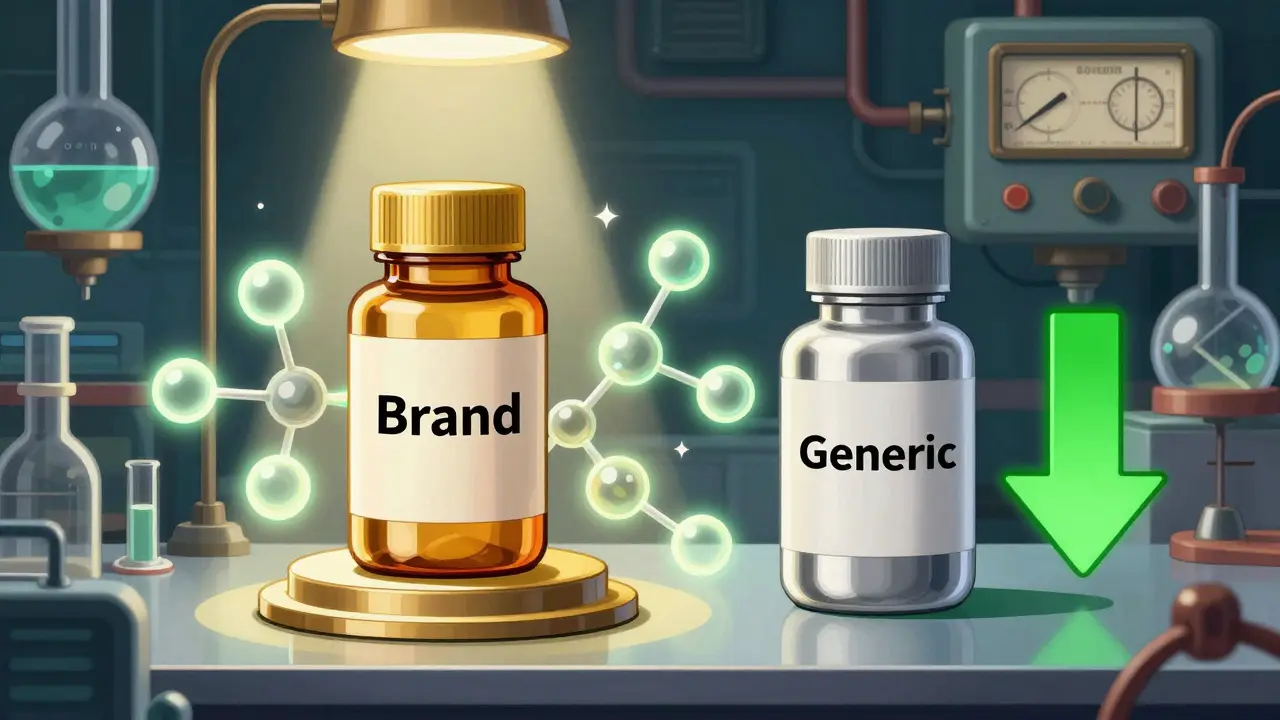
To have a confident conversation with your provider, you first need to understand what these terms actually mean. A brand-name medication is the original product developed by a pharmaceutical company. These companies spend billions of dollars and years conducting clinical trials to prove the drug is safe and effective. In return, they receive a patent, which gives them exclusive rights to sell the drug for a set period-usually around 20 years. This exclusivity allows them to charge higher prices to recoup their investment.
Once that patent expires, other manufacturers can step in. They produce generic versions of the same drug. Here is the critical part: regulatory bodies like the U.S. Food and Drug Administration (FDA) require generic drugs to contain the exact same active ingredient as the brand-name version. They must also demonstrate "bioequivalence," meaning they work in the body in the same way and provide the same therapeutic benefit. Think of it like store-brand cereal versus name-brand cereal. The ingredients are identical, but the box looks different, and the price is lower.
Are generic drugs really just as good as brand-name ones?
Yes. Regulatory agencies require generics to have the same active ingredients, strength, dosage form, and route of administration as the brand-name drug. They must also meet strict standards for quality, purity, and safety. While inactive ingredients (like fillers or dyes) may differ, these do not affect how the medicine works in your body.
The Price Tag: Why Generics Save You Money
If the medicine is the same, why is the price so different? The answer lies in competition. When multiple companies can make the same generic drug, they compete on price. This competition drives costs down significantly. According to data from GoodRx, generic drugs typically cost 80% to 85% less than their brand-name equivalents. Over time, this has saved the healthcare system trillions of dollars.
For you, the patient, this means lower out-of-pocket costs. If your insurance plan has a tiered copayment system, generics usually fall into the lowest tier, while brand-name drugs often require a much higher copay or even prior authorization. In some cases, the difference between a $10 generic and a $100 brand-name drug can determine whether you stick with your treatment plan or skip doses because you can’t afford it. Skipping doses is dangerous and can lead to worse health outcomes, which defeats the purpose of taking the medication in the first place.
| Feature | Brand-Name Drug | Generic Drug |
|---|---|---|
| Active Ingredient | Original formulation | Identical to brand-name |
| Cost | High (due to R&D and patents) | Low (80-85% less expensive) |
| Appearance | Distinctive shape/color/packaging | Different due to trademark laws |
| Inactive Ingredients | Specific to manufacturer | May vary (fillers, dyes) |
| Regulatory Approval | Full clinical trials required | Bioequivalence testing required |
What to Ask Your Doctor: Scripts for Confidence
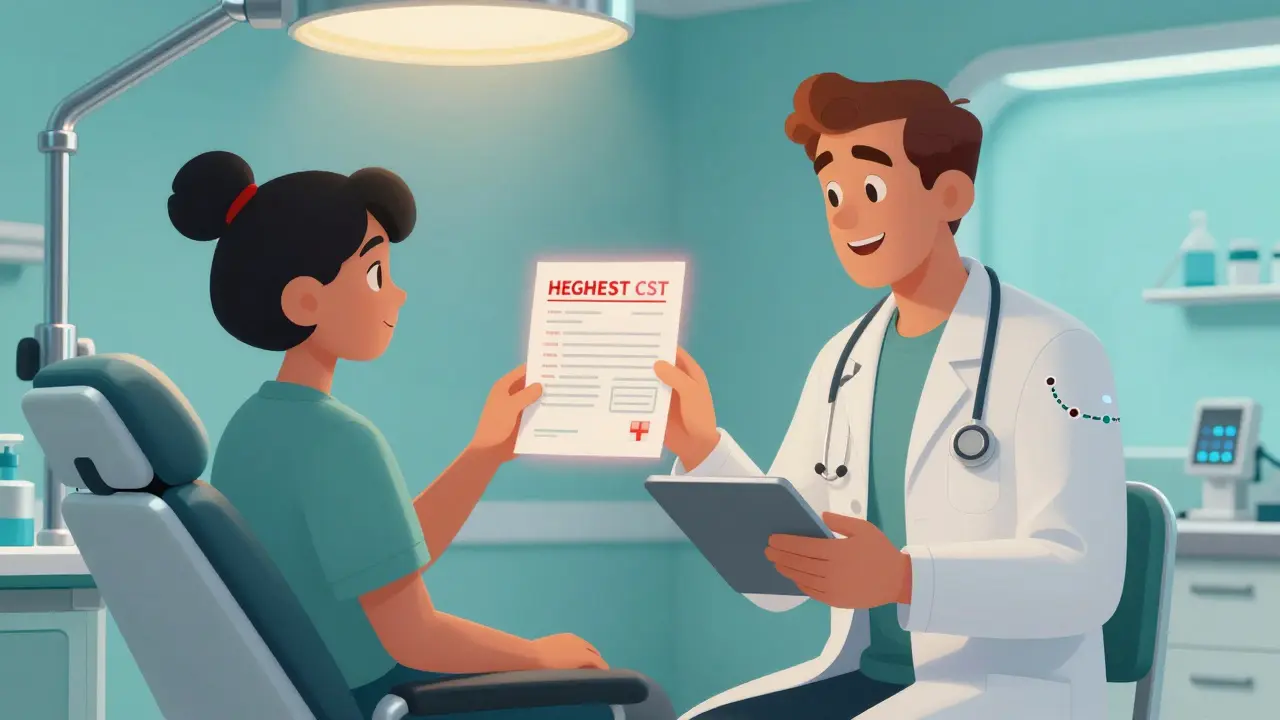
Knowing the facts is one thing; bringing it up in a medical appointment is another. Many patients fear offending their doctor or appearing difficult. However, physicians are partners in your care, and they appreciate transparency. Here are some specific questions and statements you can use to start the conversation naturally.
- "Is there a generic version available for this prescription?" This is a simple, direct question that opens the door. Most doctors will automatically prescribe generics if they are available, but asking ensures you aren’t missing an option.
- "I’m concerned about the cost of this medication. Are there more affordable alternatives?" Framing the request around financial constraints rather than skepticism about efficacy shows you are practical and committed to adherence.
- "Will switching to the generic affect my condition?" This invites your doctor to explain any nuances specific to your health situation, such as narrow therapeutic index drugs.
- "Can you mark 'Dispense As Written' if I prefer the brand name?" If you have tried the generic and had issues, or if you simply prefer the brand for personal reasons, you have the right to request it. Be aware that your insurance may not cover the full cost.
Remember, your doctor’s goal is to treat your condition effectively. If a generic works just as well and costs less, most providers will be happy to switch you. In fact, many electronic prescribing systems default to generics unless the doctor specifies otherwise.
When Brand-Name Might Be Necessary
While generics are suitable for the vast majority of patients, there are exceptions. Understanding these exceptions helps you trust your doctor’s recommendation when they insist on a brand-name drug.
One key area involves Narrow Therapeutic Index (NTI) drugs. These are medications where small differences in dose can lead to serious therapeutic failures or adverse reactions. Examples include warfarin (a blood thinner), levothyroxine (for thyroid conditions), and certain seizure medications. For NTI drugs, some experts recommend staying with a single manufacturer-whether brand or generic-to avoid fluctuations in blood levels. However, the FDA maintains that approved generics are still appropriate, though consistency is key. If you are on an NTI drug, ask your doctor if they prefer you stick with a specific brand or manufacturer.
Another consideration is complex biologics. Unlike small-molecule drugs (like aspirin or statins), biologics are large, complex molecules made from living organisms. Because they are harder to replicate exactly, true "generics" don’t exist for them. Instead, we have Biosimilars, which are highly similar but not identical copies. Biosimilars go through rigorous testing, but the approval process is different. If you are prescribed a biologic, ask your doctor about biosimilar options, as they can offer significant savings while maintaining high efficacy.
Navigating Insurance and Pharmacy Policies
Your discussion with your doctor doesn’t happen in a vacuum. Insurance companies and pharmacies play a huge role in which medication you end up with. Many state laws mandate generic substitution unless the prescriber explicitly writes "dispense as written" (DAW) on the prescription. This means even if your doctor writes for the brand name, the pharmacist may call to confirm or automatically substitute the generic if allowed by law and policy.
Pharmacists are invaluable resources in this process. If you receive a generic that looks different from what you expected, don’t panic. The change in color, shape, or size is due to trademark laws preventing generics from looking identical to brands. The active ingredient remains the same. If you have concerns about inactive ingredients (such as allergies to certain dyes or gluten), talk to your pharmacist. They can check the specific formulation and suggest an alternative generic manufacturer if needed.
Additionally, some insurance plans require prior authorization for brand-name drugs. This means your doctor must submit additional paperwork proving why the generic isn’t suitable. This process can delay your treatment, so it’s better to discuss preferences upfront. If you’re unsure about your coverage, call your insurance provider before filling the prescription. They can tell you the exact copay for both the brand and generic options.
Overcoming Common Myths and Concerns
Despite scientific evidence, myths about generics persist. Some patients believe generics are "weaker" or "older" versions of the drug. Others report feeling different side effects after switching. Let’s address these concerns directly.
First, generics are not old or expired. They are manufactured under the same strict quality control standards as brand-name drugs. The FDA inspects manufacturing facilities regularly to ensure compliance. Second, regarding side effects: while the active ingredient is the same, inactive ingredients (binders, fillers, coatings) can differ. In rare cases, a patient might be sensitive to a specific filler used by one generic manufacturer but not another. If you experience new symptoms after switching, contact your doctor or pharmacist. They may try a different generic brand or switch back to the brand-name drug if necessary. This is not a sign that generics are ineffective; it’s a matter of individual tolerance.
Finally, the "nocebo effect" plays a role. If you believe a generic won’t work as well, you might perceive it as less effective, even if it is chemically identical. Trusting the science and having an open dialogue with your healthcare team can help mitigate this psychological barrier.
Next Steps: Making the Conversation Count
Taking control of your medication choices starts with preparation. Before your next appointment, list all your current prescriptions. Note which ones are brand-name and research if generics are available using reliable sources like the FDA’s Orange Book or your pharmacy’s website. Bring this list to your doctor and initiate the conversation early in the visit.
If your doctor agrees to switch you to a generic, monitor your response closely for the first few weeks. Keep a simple log of any changes in symptoms, side effects, or effectiveness. This information is valuable for both you and your provider. If everything feels fine-and statistically, it likely will-you’ve just secured better value for your healthcare spending without compromising your well-being.
Healthcare is a partnership. By asking informed questions about generic vs. brand-name medications, you empower yourself to make decisions that are both medically sound and financially sustainable. Don’t let hesitation stand in the way of affordable, effective care. Your doctor is there to help you navigate these choices, so lean on their expertise while advocating for your own needs.
Why do generic pills look different from brand-name pills?
Trademark laws prevent generic manufacturers from making their products look identical to brand-name drugs. To avoid confusion and protect intellectual property, generics must have distinct shapes, colors, and packaging. However, the active medicinal ingredient inside is the same.
Can I switch between different generic manufacturers?
In most cases, yes. All FDA-approved generics are considered therapeutically equivalent. However, for narrow therapeutic index drugs, some doctors prefer patients stick with one manufacturer to maintain consistent blood levels. Always consult your doctor before switching manufacturers if you are on sensitive medications.
What if my insurance only covers the brand-name drug?
This is rare, as insurers typically incentivize generic use. If this happens, ask your doctor to file a prior authorization or appeal. Alternatively, check if a patient assistance program exists for the brand-name drug, or explore coupon services like GoodRx that may lower the cash price significantly.
Are biosimilars the same as generic drugs?
No. Biosimilars are similar to but not identical copies of biological products, whereas generics are exact chemical copies of small-molecule drugs. Biosimilars undergo rigorous testing to show no clinically meaningful differences from the reference product, but the approval pathway is more complex due to the nature of biological molecules.
How can I verify if a generic drug is approved?
You can check the FDA’s "Orange Book" (Approved Drug Products with Therapeutic Equivalence Evaluations). This database lists all approved generic drugs and indicates their therapeutic equivalence to brand-name products. Your pharmacist can also verify this information quickly.