
How to Stick to Long-Term Medication: Proven Coping Strategies
 Jun, 7 2026
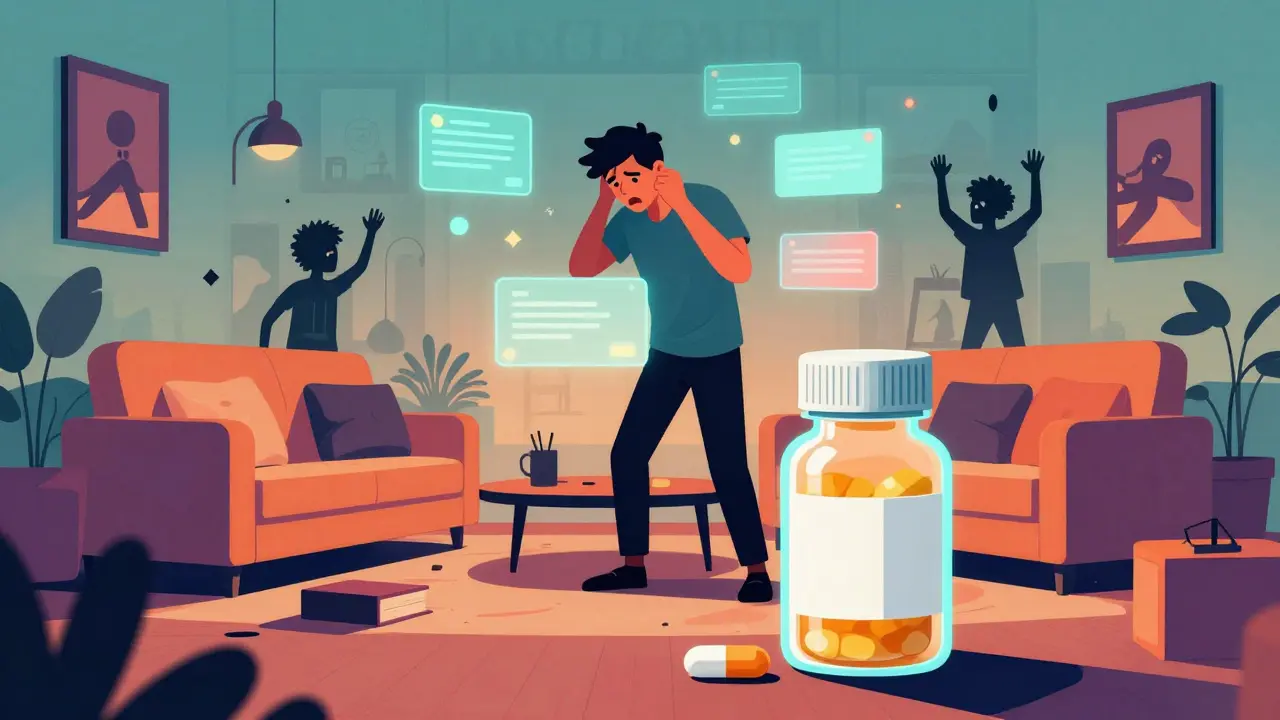
Picture this: it’s 6 PM on a Tuesday. You’re exhausted from work, the kids are screaming for dinner, and your phone buzzes with another notification. Somewhere in the chaos, you realize you forgot your evening pill. It happens. In fact, studies show that roughly half of all patients with chronic conditions struggle to take their medications as prescribed. This isn’t just about laziness or forgetfulness; it’s about the psychological weight of managing a lifelong health issue.
If you’ve been told you need to manage a condition like diabetes, hypertension, or rheumatoid arthritis for years-or even decades-the initial shock wears off quickly, replaced by a dull, persistent fatigue. We call this "treatment burden." The good news? You don’t have to white-knuckle your way through it. Research published in the Journal of Pharmacy Practice by Chatoo et al. (2022) highlights specific coping strategies that can turn this daily grind into a manageable routine. Let’s look at what actually works, based on real data, not just well-meaning advice.
The Power of Problem-Solving Coping
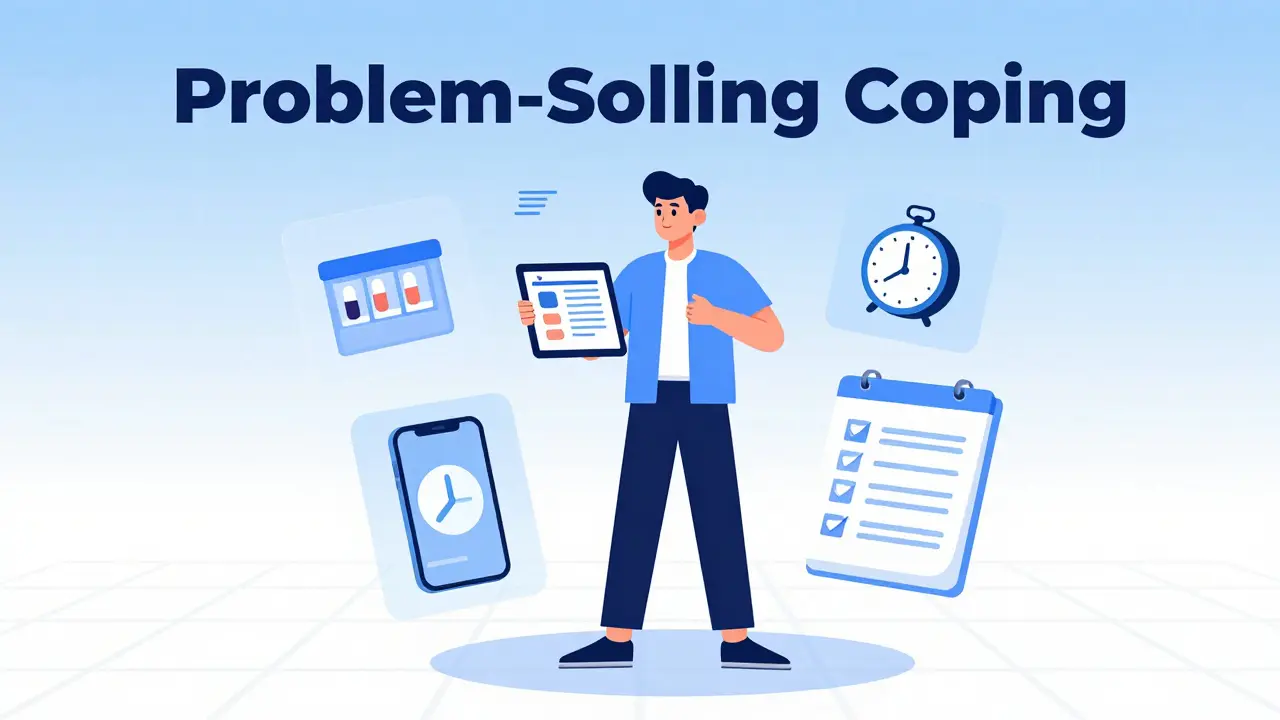
When we talk about sticking to a medication regimen, the most effective tool in your kit is Problem-solving coping. Think of this as active troubleshooting. Instead of feeling overwhelmed by the complexity of your treatment, you break it down into solvable puzzles.
In a systematic review of 15 studies, researchers found that 78% of participants who used active coping strategies had better medication adherence rates. That’s a huge number. But what does this look like in real life?
- Identify the barrier: Are you missing doses because you travel often? Because the pills are too big to swallow? Because they make you feel nauseous?
- Create a solution: If travel is the issue, buy a weekly pill organizer and pack it Sunday night. If nausea is the problem, ask your doctor if taking the med with food helps, or if there’s an alternative formulation.
- Automate reminders: Use phone alarms, smart dispensers, or link the dose to an existing habit (like brushing your teeth).
This approach shifts your mindset from "I have to do this" to "How do I make this fit my life?" A study on neurological patients by Franke et al. (2021) confirmed that active coping was directly linked to higher adherence. You become the project manager of your own health.
Managing Emotions: Why Feelings Matter
Let’s be honest: taking medicine every day is a constant reminder that something is wrong with your body. It can trigger anxiety, depression, or denial. This is where Emotion-focused coping comes in. While problem-solving tackles the logistics, emotion-focused coping tackles the mental load.
Research shows that 69% of studies found a positive link between emotion-focused coping and adherence. This doesn’t mean ignoring the problem; it means processing the feelings associated with it so they don’t derail your routine.
Strategies here include:
- Self-encouragement: Reminding yourself why you’re taking the meds (e.g., "This keeps me playing with my grandkids").
- Diversion: Distracting yourself from side effects or negative thoughts while waiting for them to pass.
- Mindfulness: Accepting the diagnosis without judgment, reducing the stress response that often leads to skipping doses.
A 2019 study on rheumatoid arthritis patients found that those who were fully adherent had significantly higher scores in self-encouragement compared to those who struggled. When you validate your feelings instead of suppressing them, you free up mental energy to actually take the pill.
The Trap of Avoidance
Not all coping strategies are created equal. Problem avoidance coping-which includes denying the severity of the illness, withdrawing socially, or simply hoping the symptoms go away-is dangerous. In 50% of the studies reviewed, avoidance was linked to *worse* adherence outcomes.
If you find yourself thinking, "I’ll start taking this next week," or "Maybe I don’t really need this anymore," you’re using avoidance. It feels good in the short term because it reduces anxiety, but it leads to disease progression, hospitalizations, and higher costs in the long run. The CDC estimates that non-adherence costs the U.S. healthcare system between $100 billion and $300 billion annually. Part of that cost is paid in poor health outcomes.
To combat avoidance, try Seeking understanding coping. Ask your doctor: "What exactly does this drug do?" "What happens if I miss one dose?" Knowledge kills fear. When you understand the mechanism, you’re less likely to dismiss the treatment.
Building Your Support Network
You don’t have to do this alone. Support seeking coping involves reaching out to others for help. This isn’t just emotional support; it’s practical assistance.
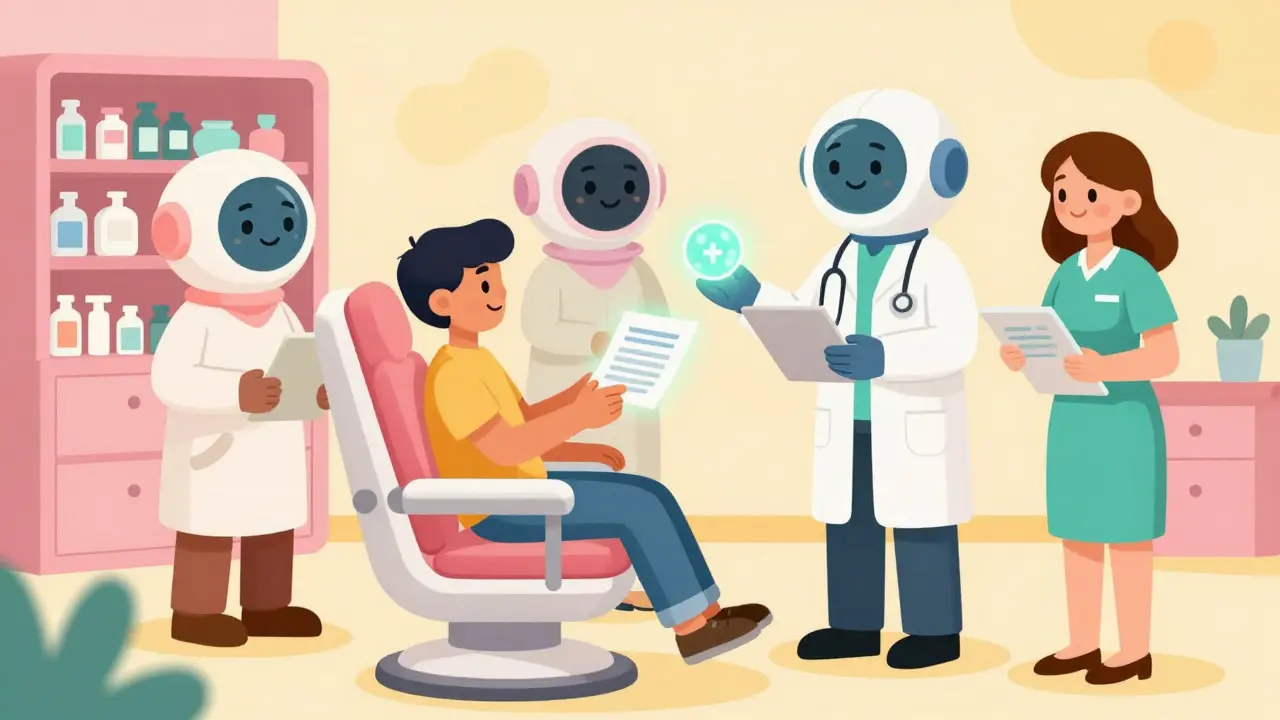
The CDC Grand Rounds report (Neiman et al., 2017) highlighted that team-based care models-which include pharmacists, primary care providers, and social workers-boosted adherence to 89% after 12 months, compared to 74% in standard care groups. Here’s how to build your own team:
- Pharmacist-led reconciliation: Ask your pharmacist to review all your meds once a year. They can spot interactions, simplify schedules, and suggest generics.
- Social workers: If cost is a barrier, social workers can help you access patient assistance programs like RxAssist.org.
- Family and friends: Tell someone close to you about your routine. Have them check in or help organize your pills.
Patient education is also key. Studies show that patients who feel empowered to ask questions and collaborate on their treatment plans are more likely to stick with them. Don’t be afraid to say, "This regimen is too complicated for me. Can we simplify it?"
| Coping Strategy | Positive Association Rate | Negative Association Rate | Key Action |
|---|---|---|---|
| Problem-Solving / Active | 78% | Low | Troubleshoot barriers actively |
| Emotion-Focused | 69% | Low | Manage stress and anxiety |
| Seeking Understanding | Majority Positive | Low | Educate yourself on the condition |
| Support Seeking | Majority Positive | Low | Engage family, doctors, pharmacists |
| Problem Avoidance | 30% | 50% | Avoid this strategy |
Practical Steps to Start Today
Knowing the theory is one thing; applying it is another. Here is a simple checklist to integrate these strategies into your daily life:
- Audit your routine: For one week, track when you take your meds and when you miss them. Identify patterns (e.g., missed doses always happen on weekends).
- Choose one active strategy: If you miss weekend doses, set a specific alarm for Saturday and Sunday mornings. Link it to coffee brewing.
- Address emotions: If you feel angry about your diagnosis, write it down or talk to a counselor. Don’t let anger dictate your health choices.
- Simplify access: Keep meds in a visible place, not hidden in a drawer. Remove friction.
- Check costs: If price is stopping you, ask your doctor for generic alternatives or coupons immediately. Don’t wait until you run out.
Remember, perfection isn’t the goal. Consistency is. Missing one dose isn’t failure; it’s data. Use it to adjust your strategy.
What is the most effective coping strategy for medication adherence?
According to a 2022 systematic review by Chatoo et al., problem-solving (or active) coping is the most effective strategy, showing a positive association with adherence in 78% of studies. This involves actively identifying barriers to taking medication and creating practical solutions, such as setting alarms or organizing pills.
Why do people stop taking chronic medications?
Common reasons include side effects, high costs, complex dosing schedules, and psychological factors like denial or depression. Problem avoidance coping, where patients ignore symptoms or dismiss the need for treatment, is a significant behavioral driver of non-adherence.
Can emotion-focused coping help with medication adherence?
Yes. Emotion-focused coping, which includes self-encouragement and managing stress, showed a positive association with adherence in 69% of studies. By addressing the emotional burden of chronic illness, patients are less likely to skip doses due to frustration or anxiety.
How can healthcare providers improve patient adherence?
Providers can implement team-based care models involving pharmacists and social workers. Key actions include simplifying regimens (once-daily dosing), ensuring affordable access through generics or assistance programs, and educating patients to empower them in their treatment plan.
Is problem avoidance ever beneficial for medication adherence?
Generally, no. Problem avoidance was associated with negative outcomes in 50% of studies. While it might reduce short-term anxiety, it typically leads to worse long-term health outcomes and lower adherence rates. Only 30% of studies showed any positive context, making it a risky strategy overall.