
Home Emergency Kit for Medication Side Effects: What to Include
 Jul, 14 2026
Medication Emergency Kit & Triage Tool
Step 1: Select Reaction Type
Click the type of reaction you are experiencing or preparing for.
Step 2: Check Specific Symptoms
Select all that apply to refine your kit needs.
Ready to Build Your Plan
Select a reaction type on the left to see recommended kit items and triage advice.
Documentation Checklist
- Note time medication was taken
- Record symptom onset time
- List current dosage
- Contact Poison Control: 1-800-222-1222
Imagine this: you take a new prescription or even an over-the-counter painkiller, and within minutes, your throat feels tight, or your stomach turns into a knot of nausea. It’s not just discomfort; it’s a signal that your body is reacting negatively to the chemical. Most people have a basic first-aid kit with bandages and antiseptic wipes, but those supplies do nothing for a pharmacological crisis. A specialized home emergency kit for medication side effects bridges that gap. It is a targeted collection of tools designed to stabilize common adverse drug reactions until professional help arrives.
This isn’t about replacing doctors. It’s about buying time. According to recent data from the Mayo Clinic, 70% of American adults take at least one prescription medication. With so many drugs in circulation, the risk of unexpected interactions or side effects rises significantly. The Institute of Medicine found that medication errors harm millions annually. Having a dedicated kit can prevent a minor rash from becoming a severe infection or a mild allergic reaction from turning into anaphylaxis.
Essential Medications for Common Reactions
The core of your kit should address the most frequent types of adverse drug reactions: allergic responses, gastrointestinal distress, and skin irritation. You don’t need a pharmacy on wheels, but you do need specific items that target these issues effectively.
| Reaction Type | Recommended Item | Why It’s Needed |
|---|---|---|
| Allergic Reactions (Mild) | Diphenhydramine (Benadryl) | Blocks histamine to reduce hives, itching, and swelling. Acts quickly for mild symptoms. |
| Skin Irritation/Rash | Hydrocortisone Cream (1%) | Reduces inflammation and itching from contact dermatitis or drug-induced rashes. |
| Gastrointestinal Upset | Antacids & Loperamide (Imodium) | Antacids neutralize stomach acid caused by NSAIDs; Loperamide stops diarrhea from antibiotics. |
| Severe Allergic Reaction | Epinephrine Auto-Injector (EpiPen) | Prescription only. Life-saving for anaphylaxis. Use immediately if breathing becomes difficult. |
Be cautious with acetaminophen (Tylenol). Many cold medicines contain it. If you already took a painkiller and then add a multi-symptom cold remedy, you might accidentally overdose. Acetaminophen toxicity causes liver damage and accounts for tens of thousands of ER visits yearly. Always check labels before combining OTC drugs.
Critical Contact Information
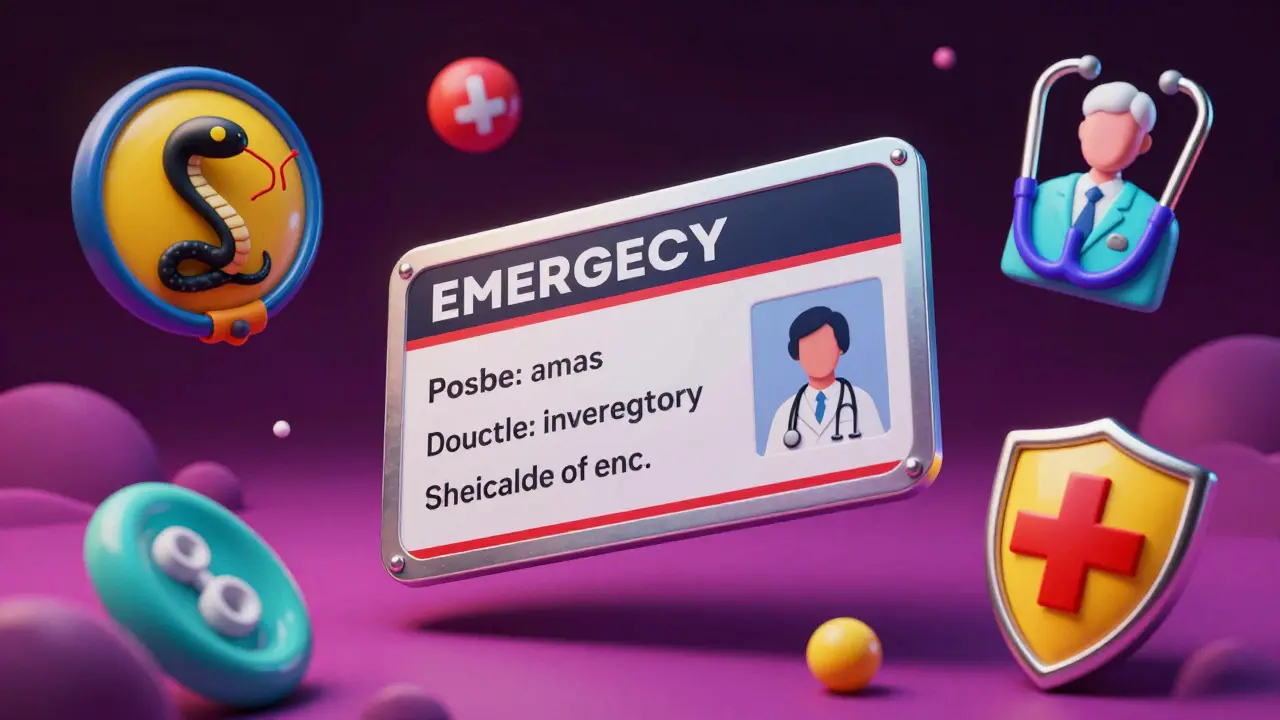
In a panic, memory fails. You won’t remember the poison control number or your doctor’s direct line if your heart is racing. Your kit must include a printed card with vital contacts. Digital lists are useless if your phone dies or you’re too disoriented to unlock it.
- Poison Control Center: In the US, dial 1-800-222-1222 or visit www.poison.org. This service is free, confidential, and available 24/7. They manage millions of exposure cases annually and can guide you through immediate steps.
- Primary Care Provider: Your family doctor knows your history. Include their office number and after-hours emergency line.
- Local Emergency Services: Write down 911 (or your local equivalent) prominently.
- Pharmacist: Your local pharmacist is often more accessible than a doctor for quick advice on drug interactions.
Keep this card laminated and visible inside the kit. Update it whenever you change providers or move houses.
Documentation and Medical History
A bottle of pills tells a doctor what you took, but it doesn’t tell them how you reacted. Documentation is as important as the medicine itself. Create a simple medical summary sheet for each family member and store it in the kit.
This sheet should list:
- Current Medications: Name, dosage, and frequency. Include supplements.
- Known Allergies: Specify the reaction (e.g., "Penicillin causes hives," not just "Allergic to Penicillin").
- Past Adverse Reactions: Note any previous drug side effects. If you got dizzy from Drug X, write it down.
- Emergency Contacts: Next of kin and insurance information.
Include a small notepad and a waterproof pen. When a reaction occurs, note the time you took the medication, when symptoms started, and what they were. This timeline helps healthcare providers diagnose the cause faster. The American Medical Association notes that detailed documentation improves diagnostic accuracy significantly.
Storage and Maintenance Protocols
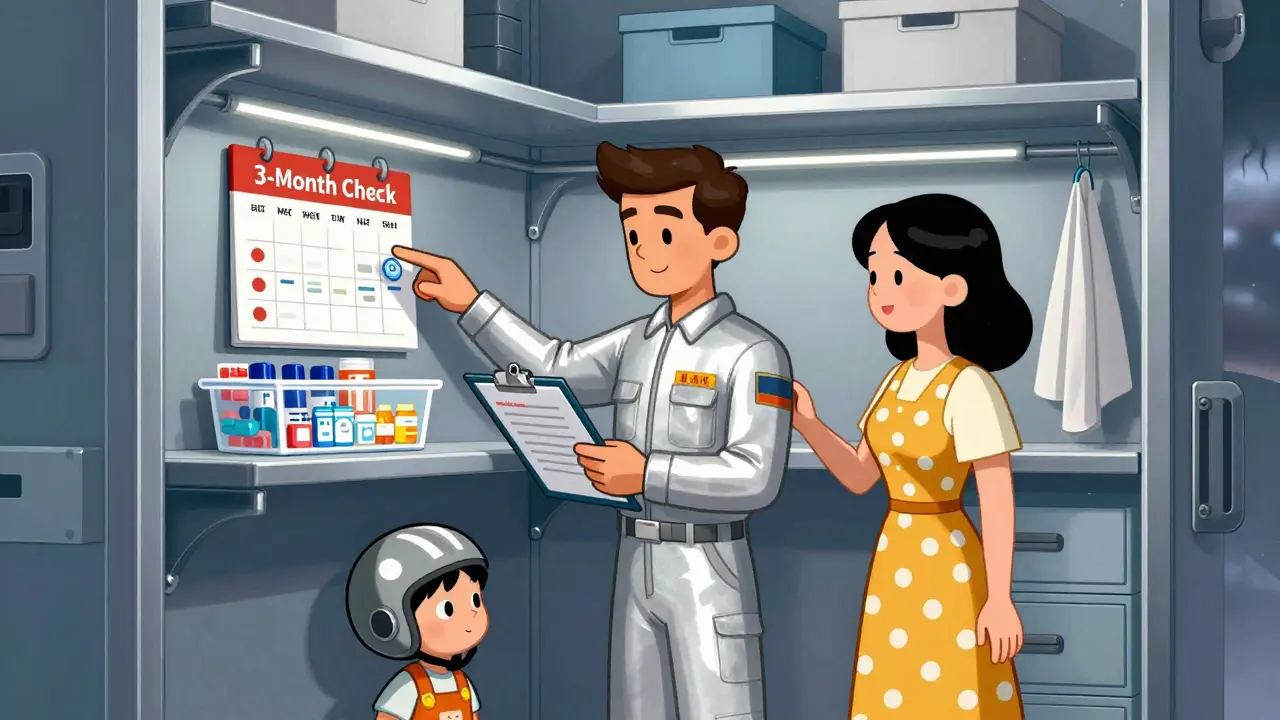
A kit gathering dust in a hot attic is useless. Heat and humidity degrade medications, reducing their potency by up to 50% before the expiration date. Store your kit in a cool, dry, dark place. A bedroom closet or under-sink cabinet works well, but ensure it is out of reach of children.
Set a calendar reminder to check the kit every three months. During this check:
- Inspect Expiration Dates: Replace any expired items immediately. The FDA states that expiration dates guarantee full potency. Do not rely on old meds.
- Check Integrity: Ensure bandages are sterile, creams haven’t separated, and blister packs aren’t damaged.
- Rotate Supplies: If you use an item from the kit (like an antacid), replace it right away. Don’t wait for the quarterly check.
If you live in an area prone to power outages, consider including a battery-powered flashlight. While not a medication, it helps you access the kit safely during storms or blackouts when emergencies might occur.
Special Considerations for Vulnerable Groups
Not everyone reacts to medications the same way. Children and the elderly require specific adjustments to your kit.
For Children: Never give aspirin to children or teenagers recovering from viral infections like chickenpox or flu. It is linked to Reye’s syndrome, a rare but life-threatening condition. Instead, keep weight-based dosing charts for acetaminophen or ibuprofen. Store all medications in child-proof containers, high up and locked if possible. The CDC reports that accidental medication poisoning affects thousands of children annually.
For the Elderly: Older adults often take multiple prescriptions (polypharmacy), increasing interaction risks. Include large-print labels on all bottles. Simplify the medication schedule. If a family member takes insulin, include glucose tablets to treat hypoglycemia, which can be triggered by certain drug interactions. Abruptly stopping some medications, like beta-blockers, can cause dangerous withdrawal symptoms. Keep a week’s supply of essential chronic medications in the kit if they don’t require refrigeration.
When to Call 911 vs. Urgent Care
Your kit is for stabilization, not cure. Knowing when to escalate care is critical. Use this decision tree:
- Call 911 Immediately If:
- Breathing is difficult, wheezing, or throat/tongue swells (signs of anaphylaxis).
- Chest pain, pressure, or irregular heartbeat occurs.
- Confusion, fainting, or seizures happen.
- Swallowing becomes impossible.
- Seek Urgent Care If:
- Moderate rash spreads rapidly.
- Vomiting or diarrhea prevents keeping fluids down for more than 12 hours.
- Symptoms persist despite using OTC remedies from your kit.
- Contact Your Doctor If:
- Mild itching or localized rash appears.
- Minor stomach upset occurs.
- You suspect a drug interaction but feel stable.
Remember, if you are unsure, err on the side of caution. It is better to go to the ER for a false alarm than to stay home with a developing emergency.
Building Your Kit: A Step-by-Step Guide
Start small. You don’t need to buy everything at once. Begin with the basics: antihistamines, antacids, and the contact card. Then, expand based on your family’s health needs.
- Consult Your Pharmacist: Before buying OTC meds, ask if they interact with your current prescriptions. Pharmacists can reduce medication errors by 35% through proper counseling.
- Choose a Container: Use a clear, durable plastic bin with a lid. Label it clearly: "MEDICATION EMERGENCY KIT." Avoid opaque boxes where contents are hidden.
- Organize by Category: Group allergy meds together, GI meds together, and documents in a waterproof pouch.
- Test Accessibility: Can you open the kit easily? Can a guest or neighbor find it if you’re incapacitated? Place it in a known location, like near the front door or in the main bathroom.
- Educate Household Members: Show everyone where the kit is and what each item does. Practice what to do in case of an allergic reaction.
Creating a home emergency kit for medication side effects is an act of proactive health management. It transforms anxiety into preparedness. By having the right tools, contacts, and knowledge at hand, you protect yourself and your loved ones from the unpredictable nature of pharmaceutical reactions. Start today-your future self will thank you.
How often should I update my medication emergency kit?
You should check your kit every three months. Replace any expired medications immediately. Also, update the kit whenever you start or stop taking a new prescription, or if your contact information changes.
Can I use activated charcoal for medication overdoses at home?
No. Current guidelines from the American Academy of Clinical Toxicology advise against using activated charcoal at home. It is ineffective for many pharmaceutical overdoses and can cause choking. Only use it under direct professional guidance.
What should I do if my child has a mild allergic reaction to a medicine?
Stop the medication immediately. Administer age-appropriate antihistamines like diphenhydramine if recommended by your pediatrician. Monitor closely for worsening symptoms like breathing difficulties. If symptoms escalate, call 911. Never give aspirin to children.
Is it safe to store insulin in a home emergency kit?
Insulin requires refrigeration. Do not store it in a standard emergency kit unless you have a portable cooler with ice packs for short-term transport. However, include glucose tablets in the kit to treat low blood sugar, which can result from medication interactions.
Where should I place the emergency kit in my house?
Store it in a cool, dry, dark place that is easily accessible to adults but out of reach of children. A bedroom closet or a high shelf in the kitchen is ideal. Ensure all household members know its location.